In the competitive world of dining, restaurant interior design plays a crucial role in shaping the overall experience for guests. The ambiance and aesthetics of a restaurant can significantly influence customer satisfaction, repeat patronage, and even word-of-mouth marketing. This article delves into the essential elements of restaurant interior design, exploring how thoughtful design choices can enhance the dining experience and contribute to a restaurant’s success.
Understanding the Basics of Restaurant Interior Design
At its core, restaurant interior design is about creating a space that is not only visually appealing but also functional. The design should reflect the restaurant’s brand identity, catering to its target demographic while ensuring comfort and usability. Key components to consider include layout, color schemes, furniture selection, and lighting.
For instance, a fast-casual dining establishment may benefit from an open layout that encourages quick turnover, while a fine dining restaurant might opt for a more intimate setting with private booths. Understanding the target audience allows designers to create spaces that resonate with guests and enhance their overall experience.
Moreover, the choice of color can evoke specific emotions. Warm tones like reds and yellows can stimulate appetite, while cooler colors like blues and greens can create a calming atmosphere. Effective use of color can lead to a balanced and harmonious space that aligns with the restaurant’s theme.
The Importance of Layout and Flow
The layout of a restaurant is vital not only for aesthetics but also for operational efficiency. A well-thought-out floor plan facilitates smooth movement for both staff and guests. It is essential to balance dining areas with kitchen access, ensuring that servers can navigate easily without disrupting the dining experience.
Furthermore, zoning different areas within the restaurant, such as bar space, dining rooms, and waiting areas, can enhance flow and comfort. For example, a well-placed bar can serve as a focal point and waiting area, allowing guests to enjoy drinks while waiting for a table. This design choice can also encourage social interaction, enhancing the overall ambiance.
According to a study by the National Restaurant Association, restaurants that invest in thoughtful design elements can see a significant increase in customer satisfaction and loyalty. Customers are more likely to return to a restaurant that offers a pleasant atmosphere and smooth flow.
Furniture and Decor: Creating a Cohesive Experience
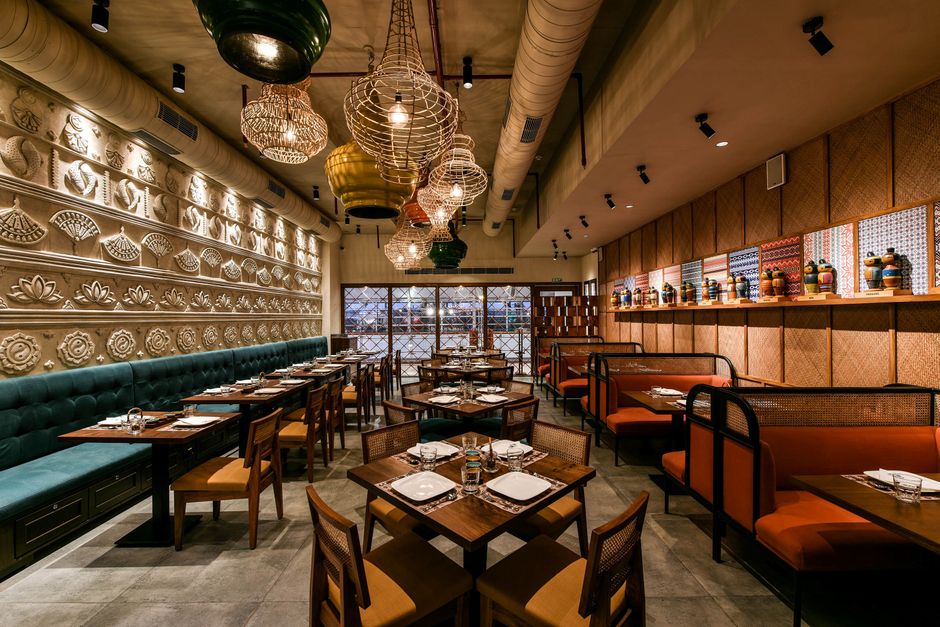
Furniture selection is another critical aspect of restaurant interior design. The choice of tables, chairs, and decor should align with the restaurant’s theme and target audience. For instance, a rustic-themed eatery may feature reclaimed wood tables and vintage accents, while a modern bistro might opt for sleek lines and minimalist decor.
Moreover, the comfort of furniture can greatly impact the dining experience. Guests are likely to linger longer in a restaurant with comfortable seating, leading to increased sales through additional orders. Therefore, investing in quality furniture that complements the design and enhances guest comfort is crucial.
In addition to furniture, decor elements such as artwork, plants, and lighting fixtures contribute significantly to establishing the restaurant’s atmosphere. Unique decor can serve as conversation starters and enhance the overall dining experience, making it memorable for guests.
Lighting: Setting the Mood
Lighting is one of the most powerful tools in restaurant interior design, influencing not only visibility but also the mood of the space. Different types of lighting can create various atmospheres, from bright and energetic to dim and romantic.
For example, a casual cafe may utilize bright, overhead lighting to create an energetic environment, while a fine dining restaurant might use soft, ambient lighting to promote a more intimate dining experience. In addition, the use of accent lighting can highlight specific areas, such as artwork or food displays, drawing attention and enhancing the overall aesthetic appeal.
According to experts, the right lighting can elevate the dining experience, making food look more appealing and enhancing customer enjoyment. Thoughtful lighting choices can lead to a significant increase in customer satisfaction and an overall positive perception of the restaurant.
Conclusion: Crafting Memorable Experiences through Design
In conclusion, restaurant interior design is a multifaceted discipline that requires careful consideration of various elements to create an inviting and functional space. From layout and flow to furniture selection and lighting, each component plays a vital role in shaping the dining experience. Investing in effective restaurant interior design can not only enhance customer satisfaction but also drive repeat business and positive word-of-mouth marketing. As the dining landscape continues to evolve, restaurants that prioritize thoughtful design will undoubtedly stand out in a crowded market.