
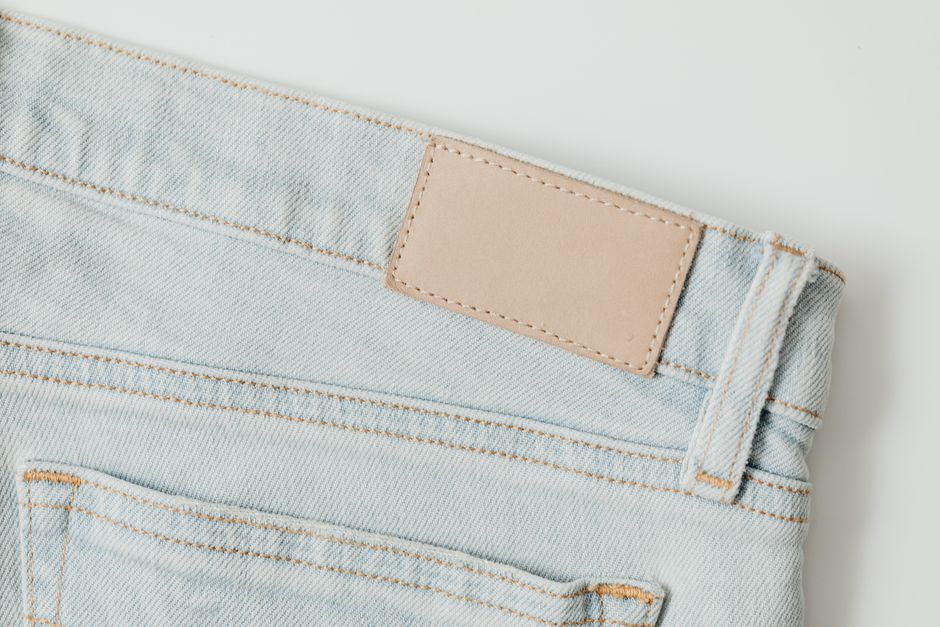
The fashion industry is undergoing a significant transformation, with private label clothing emerging as a dominant trend. This shift is not just a passing fad; it represents a fundamental change in how retailers approach product offerings. As consumers increasingly seek unique and personalized options, private label brands have stepped in to fill the gap, providing quality apparel at competitive prices.
Understanding Private Label Clothing
Private label clothing refers to apparel that is produced by one company and sold under another company’s brand name. This model allows retailers to create exclusive products that cater specifically to their target audience. Unlike branded merchandise, which often comes with higher price tags, private label clothing offers a more affordable alternative without compromising on quality. Retailers can leverage this strategy to differentiate themselves in a crowded market.
The concept of private labeling is not new; however, its popularity has surged in recent years. According to a study by McKinsey, private label brands accounted for over 20% of the market share in the fashion industry as of 2022. This growth is attributed to the rising demand for cost-effective yet stylish clothing, particularly among younger consumers who are more discerning about their fashion choices.
The Benefits for Retailers
One of the most significant advantages of offering private label clothing is the control retailers gain over their product lines. By developing their own brands, retailers can dictate the design, quality, and price points, aligning them closely with their customers’ preferences. This control extends to marketing strategies, allowing retailers to create targeted campaigns that resonate with their audience.
Moreover, private label clothing typically yields higher profit margins compared to traditional branded products. Retailers can source materials and production more efficiently, minimizing costs and maximizing returns. For instance, a retailer may invest in a private label line that can generate profit margins of 30% or more, significantly boosting their bottom line.
Retailers like Costco and Aldi have successfully harnessed the power of private label brands to enhance customer loyalty and drive sales. Their unique offerings attract customers who are looking for value without sacrificing quality, demonstrating the effectiveness of this strategy.
Consumer Perspectives on Private Label Brands
Consumers today are more informed and selective than ever before. They seek products that offer value and quality, and private label clothing has stepped up to meet these expectations. A survey conducted by Nielsen revealed that 59% of consumers are open to purchasing private label brands, with many citing quality as a crucial factor in their decision-making process.
Additionally, the rise of e-commerce has played a pivotal role in the growth of private label clothing. Online platforms allow retailers to showcase their exclusive offerings without the overhead costs associated with brick-and-mortar stores. As consumers increasingly shop online, private label brands can effectively reach a wider audience, enhancing their visibility and sales potential.
Another aspect contributing to the popularity of private label clothing is the growing trend of sustainability. Many private label brands focus on ethical sourcing and eco-friendly materials, appealing to environmentally conscious consumers. This alignment with consumer values further strengthens the appeal of private label offerings.
Challenges and Considerations
While the private label clothing market presents significant opportunities, it is not without challenges. Retailers must navigate issues related to quality control, supply chain management, and brand reputation. Ensuring that private label products meet consumer expectations for quality is essential, as any failures can directly impact a retailer’s brand image.
Furthermore, competition in the private label space is intensifying. As more retailers enter the market, differentiation becomes crucial. Retailers must innovate and offer unique designs or features that set their private label brands apart from competitors. This could involve collaborating with designers, utilizing cutting-edge technology, or focusing on niche markets.
The Future of Private Label Clothing
Looking ahead, the future of private label clothing appears bright. As consumer preferences continue to evolve, retailers will be compelled to adapt their strategies to stay relevant. The integration of technology, such as artificial intelligence and data analytics, will play a significant role in shaping the future of private label brands. Retailers can leverage these tools to gain insights into consumer behavior, optimize inventory management, and enhance the overall shopping experience.
Moreover, the ongoing emphasis on sustainability will likely drive further growth in the private label sector. Retailers that prioritize ethical practices and transparent supply chains will resonate with consumers, fostering loyalty and encouraging repeat purchases.
In conclusion, private label clothing has emerged as a formidable player in the fashion industry, offering retailers a unique opportunity to capitalize on changing consumer demands. By understanding the dynamics of this market and effectively navigating its challenges, retailers can position themselves for success in the evolving landscape of fashion. For those looking to explore this trend further, resources like private label clothing platforms can provide valuable insights and support.