
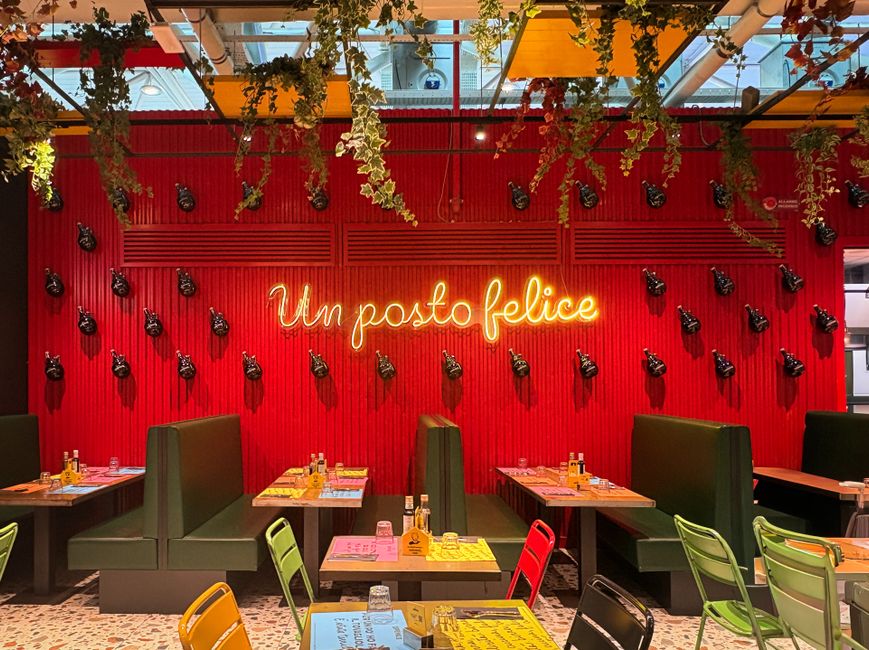
In the competitive world of dining, creating an inviting atmosphere is just as important as the food itself. Restaurant interior design plays a pivotal role in not only attracting customers but also in enhancing their overall dining experience. This article explores the essential elements of restaurant interior design, from color schemes to furniture choices, and provides practical tips for restaurant owners looking to revamp their spaces.
The Importance of First Impressions
When customers enter a restaurant, their first impression is often based on the interior design. A well-designed space can evoke emotions, set the mood, and influence customers’ perceptions long before they taste the food. According to research, 90% of first impressions are based on visual appearance, making restaurant interior design a crucial factor for success.
Moreover, a unique and appealing design can differentiate a restaurant from its competitors. For instance, establishments that incorporate local art or cultural elements into their design often create a stronger connection with their community, encouraging repeat visits.
Key Elements of Restaurant Interior Design
Several key elements contribute to successful restaurant interior design. These include layout, color scheme, lighting, and furniture selection. Each component serves a distinct purpose and should be carefully considered to create a cohesive environment.
The layout is arguably the backbone of interior design. A well-thought-out layout facilitates smooth operations and enhances customer flow. For instance, placing tables too close together can create a cramped atmosphere, while a spacious layout might make the restaurant feel empty. A balance must be struck to ensure comfort while maximizing seating capacity.
Choosing the Right Color Scheme
Color plays a significant role in influencing mood and behavior. Warm colors like red and yellow are often associated with increased appetite, making them popular choices for restaurants. In contrast, cooler colors like blue and green can create a calming effect, ideal for establishments focused on relaxation.
When selecting a color scheme, consider the restaurant’s theme and target audience. A family-friendly diner might benefit from bright, cheerful colors, while a fine dining establishment could opt for more muted, sophisticated tones. It’s also essential to ensure that the color palette flows harmoniously throughout the space.
Lighting: Setting the Mood
Lighting is another critical aspect of restaurant interior design. It not only illuminates the space but also sets the overall mood. For example, soft, dim lighting is often used in fine dining to create an intimate atmosphere, while bright, natural lighting can enhance the appeal of a casual eatery.
Incorporating various lighting elements, such as pendant lights, wall sconces, and table lamps, can add depth and character to the space. Additionally, consider the use of natural light through windows or skylights, which can create a warm and inviting environment.
Furniture Selection and Arrangement
The choice of furniture significantly impacts both the aesthetics and functionality of a restaurant. Comfortable seating encourages customers to linger, while the arrangement of tables can facilitate social interactions. When selecting furniture, prioritize durability and ease of maintenance, especially in high-traffic areas.
For instance, upholstered chairs might provide comfort, but they require more upkeep than metal or wood options. Additionally, consider the theme of the restaurant; rustic designs might benefit from reclaimed wood tables, while modern establishments could opt for sleek, minimalist furniture.
Incorporating unique design elements, such as custom-made furniture or statement pieces, can also enhance the overall aesthetic and leave a lasting impression on guests.
Conclusion: Crafting a Memorable Experience
In conclusion, effective restaurant interior design extends beyond aesthetics; it is about crafting a memorable dining experience. By considering elements such as layout, color schemes, lighting, and furniture selection, restaurant owners can create inviting spaces that not only attract customers but also encourage them to return.
To further enhance the dining experience, consider consulting professionals who specialize in restaurant interior design. Their expertise can help bring your vision to life and ensure that every aspect of your restaurant’s design aligns with your brand identity and target audience.