
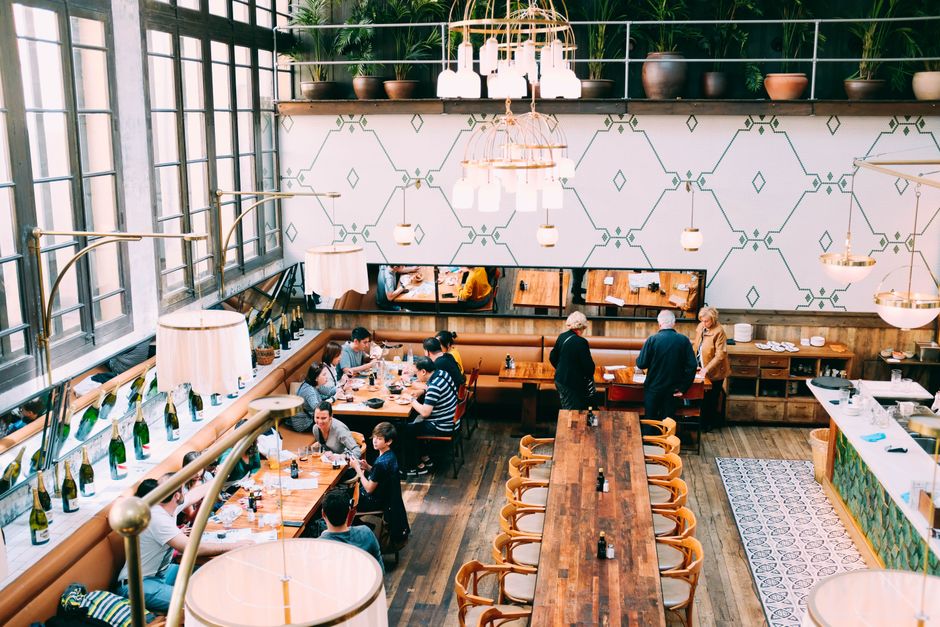
In the competitive world of dining, the significance of restaurant interior design cannot be overstated. A well-thought-out interior not only enhances the aesthetics of the space but also influences customer behavior and satisfaction. This article explores the essential elements that contribute to effective restaurant interior design, providing insights into how to create inviting and memorable dining experiences.
Understanding the Importance of Interior Design
The interior design of a restaurant plays a pivotal role in shaping the overall dining experience. It sets the mood and ambiance, which can significantly affect customers’ perceptions and their likelihood to return. According to a recent survey, 60% of diners say they have left a restaurant due to unappealing decor. Therefore, investing time and resources into thoughtful design is essential for attracting and retaining customers.
Moreover, a well-designed restaurant can create a strong brand identity. The choice of colors, materials, and layout can reflect the restaurant’s theme and the type of cuisine offered. For instance, a rustic Italian trattoria may use warm colors and wooden furnishings to evoke a cozy, homey feel, while a modern sushi bar might embrace minimalism and sleek lines to highlight its fresh offerings.
Key Elements of Successful Restaurant Interior Design
When considering restaurant interior design, several key elements must be addressed:
1. Layout and Flow: The layout should facilitate smooth movement for both staff and customers. A well-planned space helps manage customer flow during busy hours, ensuring that service remains efficient. It’s important to consider seating arrangements that encourage conversation while also allowing for easy access to the kitchen and restrooms.
2. Lighting: Lighting can dramatically change the ambiance of a restaurant. Different areas may require varying levels of light; for example, brighter lighting in the dining area can create a more energetic atmosphere, while softer lighting in the bar area encourages relaxation. Incorporating natural light through windows can also enhance the overall experience.
3. Color Schemes: Colors evoke emotions and can significantly impact diners’ moods. Warm colors like reds and oranges can stimulate appetite, while cooler tones can create a calm and serene environment. Choosing the right color palette aligned with the restaurant’s theme is crucial in achieving the desired atmosphere.
Incorporating Unique Design Features
To stand out in a saturated market, many restaurants are now incorporating unique design features that reflect their brand identity. This could include:
1. Art Installations: Local artwork or themed installations can serve as conversation starters and enhance the overall aesthetic. Many successful restaurants collaborate with local artists to showcase their work, creating a community connection while also beautifying the space.
2. Open Kitchens: An open kitchen design allows diners to watch the chefs at work, adding an element of transparency and excitement to the dining experience. This design choice not only entertains customers but also enhances the perception of food quality and freshness.
3. Outdoor Spaces: With the growing demand for outdoor dining, incorporating a patio or garden area can greatly enhance a restaurant’s appeal. Outdoor spaces allow for greater flexibility in seating and can attract customers looking for a unique dining experience.
Trends in Restaurant Interior Design
Staying updated on design trends is crucial for restaurant owners. Some current trends in restaurant interior design include:
1. Sustainable Materials: Eco-friendly materials are becoming increasingly popular in restaurant design. Using reclaimed wood, recycled metals, and sustainable fabrics not only appeals to environmentally conscious consumers but also adds a unique character to the space.
2. Biophilic Design: Integrating natural elements into interior design, such as plants and natural light, promotes a calming atmosphere and enhances diners’ overall experience. Studies have shown that biophilic design can reduce stress and improve well-being.
3. Technology Integration: Modern restaurants are incorporating technology into their design, from digital menus to automated ordering systems. This integration can streamline operations and enhance the customer experience, making dining more convenient and enjoyable.
Conclusion: The Impact of Thoughtful Design
In conclusion, the significance of restaurant interior design extends beyond mere aesthetics. A thoughtfully designed space can create memorable experiences, foster customer loyalty, and ultimately drive business success. By understanding the key elements of effective design and keeping up with emerging trends, restaurant owners can craft environments that not only attract diners but also keep them coming back for more. For those looking to elevate their dining spaces, seeking expert guidance in restaurant interior design can be a game-changer.