In today’s visually driven world, the demand for stunning visuals and realistic representations has skyrocketed. Whether in architecture, product design, or marketing, the ability to showcase ideas through 3D rendering services has become indispensable. This technology not only enhances presentations but also plays a crucial role in decision-making processes for clients and stakeholders alike.
The Evolution of 3D Rendering
3D rendering has come a long way since its inception. Initially, it was a labor-intensive process, requiring specialized skills and significant time investment. However, advancements in software and hardware have revolutionized the industry. Today, rendering can be done more quickly and efficiently, allowing designers to produce high-quality visuals that were once deemed impossible.
For instance, software such as Blender and SketchUp enables artists to create intricate models and scenes effortlessly. Additionally, the rise of cloud computing has made it feasible for teams to collaborate on projects in real-time, reducing the overall production time. This shift has resulted in a more dynamic and responsive design environment, where changes can be implemented swiftly.
Applications of 3D Rendering Services
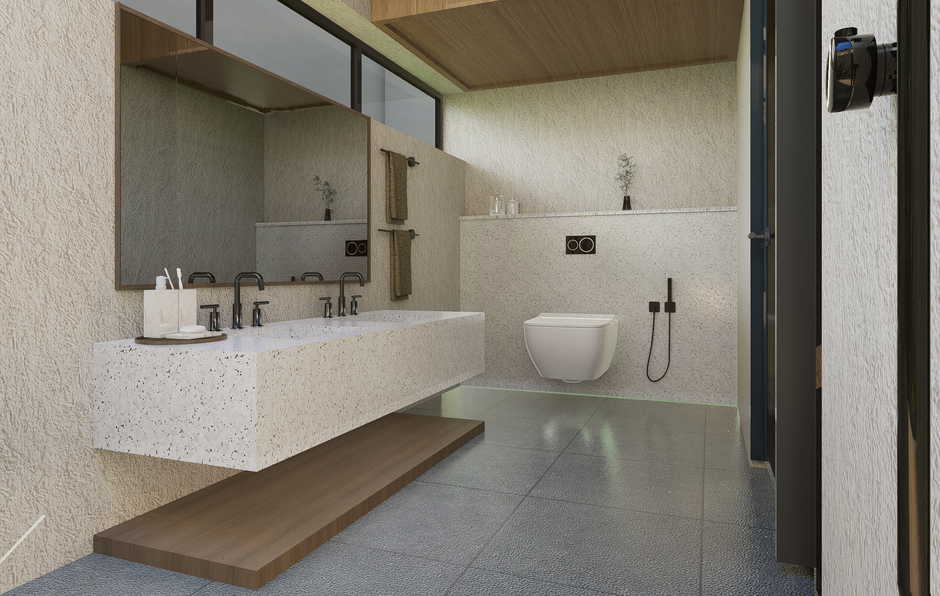
The applications of 3D rendering services are vast and varied. In architecture, for example, architects use these services to create detailed visualizations of buildings before they are constructed. This not only helps in securing approvals from clients but also allows for modifications to be made early in the design process, ultimately saving time and resources.
Moreover, in the product design sector, 3D rendering is utilized to showcase products from various angles and in different settings. This is particularly beneficial for e-commerce businesses looking to attract customers with high-quality images that highlight the features and benefits of their products. The ability to present a product in a realistic manner can significantly increase conversion rates.
Benefits of Using 3D Rendering Services
One of the most significant advantages of 3D rendering services is their ability to communicate ideas effectively. Visuals can convey complex concepts far more efficiently than text alone. Additionally, clients often find it easier to understand a design when they can see a realistic representation of it. This clarity can lead to better feedback and more productive discussions during the design phase.
Furthermore, the use of 3D rendering can enhance marketing efforts. Companies can create stunning visual content for advertisements, social media, and websites. These visuals can grab attention and create a memorable impression on potential customers. For instance, a captivating product rendering can entice viewers to learn more about the product and, ultimately, make a purchase.
Choosing the Right 3D Rendering Service Provider
When selecting a 3D rendering service provider, it’s essential to consider several factors. First and foremost, review their portfolio to assess the quality and style of their work. This will give you an insight into their capabilities and whether they align with your vision.
Additionally, communication is vital in any creative project. Ensure that the provider is willing to collaborate closely with you and understands your specific needs and preferences. A good provider will be open to feedback and willing to make adjustments to ensure your satisfaction.
Lastly, consider the cost and turnaround time. While it may be tempting to opt for the cheapest option, remember that quality often comes at a price. It’s essential to find a balance between affordability and quality, ensuring that you receive the best possible outcome for your investment.
Future Trends in 3D Rendering
As technology continues to advance, the future of 3D rendering looks promising. Emerging trends, such as virtual reality (VR) and augmented reality (AR), are beginning to integrate with traditional rendering practices, offering even more immersive experiences. This convergence allows clients to engage with designs in a more interactive manner, fostering a deeper understanding of the project.
Moreover, the integration of artificial intelligence (AI) in rendering software is expected to enhance efficiency further. AI can automate repetitive tasks, allowing artists to focus on creativity and innovation. This could lead to faster project turnaround times and higher-quality outputs.
In conclusion, the significance of 3D rendering services in various industries cannot be overstated. From enhancing communication to improving marketing efforts, these services provide invaluable support in bringing ideas to life. As technology evolves, the potential for 3D rendering continues to expand, making it an essential tool for anyone looking to stay ahead in the competitive landscape.
For those considering leveraging this powerful technology, exploring a reputable 3D rendering service can yield remarkable results and transform visions into reality.