
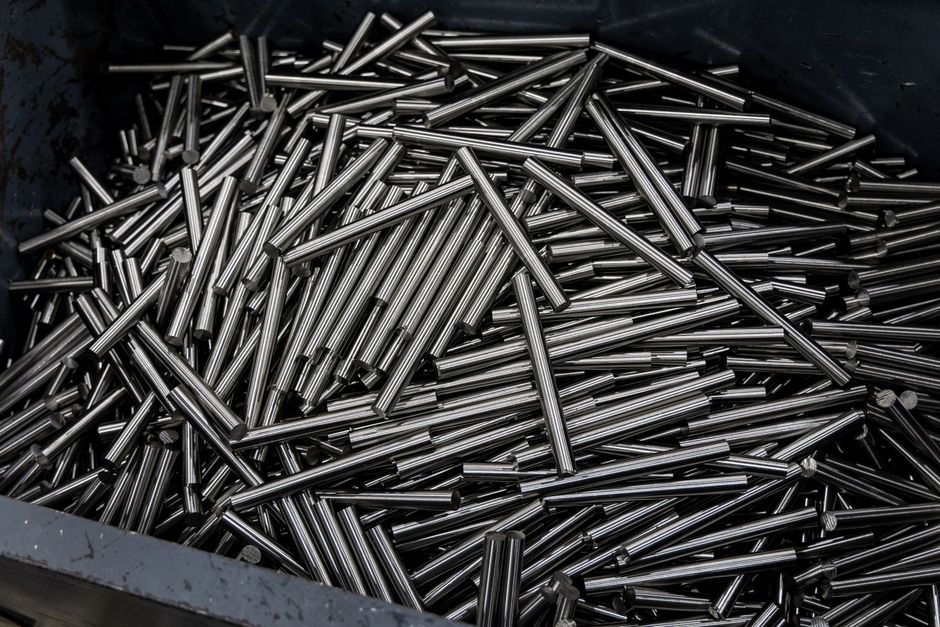
Stainless steel, a material known for its durability and aesthetic appeal, has revolutionized various industries. From kitchen utensils to architectural designs, its applications are vast and varied. Understanding the properties, benefits, and uses of stainless steel can help consumers and businesses make informed decisions. This article delves into the many aspects of stainless steel, showcasing its significance in modern life.
What is Stainless Steel?
Stainless steel is an alloy primarily composed of iron, chromium, and other elements. The most notable feature of stainless steel is its resistance to rust and corrosion, which is attributed to the presence of chromium. When chromium is exposed to oxygen, it forms a thin layer of chromium oxide on the surface, protecting the underlying metal from oxidation.
There are several grades of stainless steel, each tailored for specific applications. Common types include 304 and 316 stainless steel, which are widely used in kitchen equipment and marine applications due to their excellent corrosion resistance. The versatility of stainless steel makes it suitable for a wide range of environments, from residential kitchens to industrial settings.
In addition to its functional properties, stainless steel is also valued for its aesthetic qualities. Its sleek and shiny surface can enhance the visual appeal of products and structures, making it a popular choice among designers and architects.
The Benefits of Using Stainless Steel
One of the primary advantages of stainless steel is its durability. Unlike other metals, stainless steel can withstand extreme temperatures and does not easily warp or dent. This makes it an ideal material for both kitchen appliances and construction projects. Furthermore, its resistance to stains and corrosion means that products made from stainless steel require less maintenance over time.
Another significant benefit is the material’s sustainability. Stainless steel is 100% recyclable, which makes it an environmentally friendly choice. Using recycled stainless steel reduces the demand for new raw materials and minimizes the environmental impact of mining and processing.
Moreover, stainless steel is known for its hygienic properties. It is non-porous and easy to clean, making it a preferred material in the food service and healthcare industries. For instance, stainless steel surfaces can be sanitized easily, reducing the risk of bacterial contamination in kitchens and hospitals.
Applications of Stainless Steel in Various Industries
Stainless steel is used in a multitude of applications across different sectors. In the culinary world, stainless steel cookware, cutlery, and appliances are staples. Their durability, non-reactive nature, and ease of cleaning make them ideal for food preparation.
In construction, stainless steel is prized for its strength and aesthetic appeal. It is used in structural frameworks, facades, and even interior design elements. The addition of stainless steel can elevate the design of buildings, providing both functional and visual benefits.
In the automotive industry, stainless steel plays a crucial role in manufacturing components that require high strength and corrosion resistance. From exhaust systems to trim pieces, the use of stainless steel enhances the longevity and performance of vehicles.
Trends in Stainless Steel Design
As design trends evolve, so do the applications of stainless steel. Modern design often incorporates stainless steel in innovative ways, such as in furniture and fixtures. The sleek finish and modern look of stainless steel can complement a variety of styles, from minimalist to industrial.
For instance, many contemporary furniture designs utilize stainless steel frames for their durability and aesthetic appeal. A growing number of designers are collaborating with Furniture Company In Saudi Arabia to create pieces that blend traditional craftsmanship with modern materials, showcasing the versatility of stainless steel.
Additionally, advancements in technology have allowed for new finishes and treatments that enhance the appearance of stainless steel. From brushed to polished finishes, the options are endless, making stainless steel a favorite among designers and architects alike.
Conclusion
Stainless steel is more than just a material; it is a symbol of innovation and versatility. Its unique properties make it a preferred choice across various industries, from culinary to construction. As we continue to embrace sustainable practices and modern design, the role of stainless steel will undoubtedly expand. By understanding its benefits and applications, consumers and professionals can make informed choices that enhance both functionality and aesthetics in their projects.