
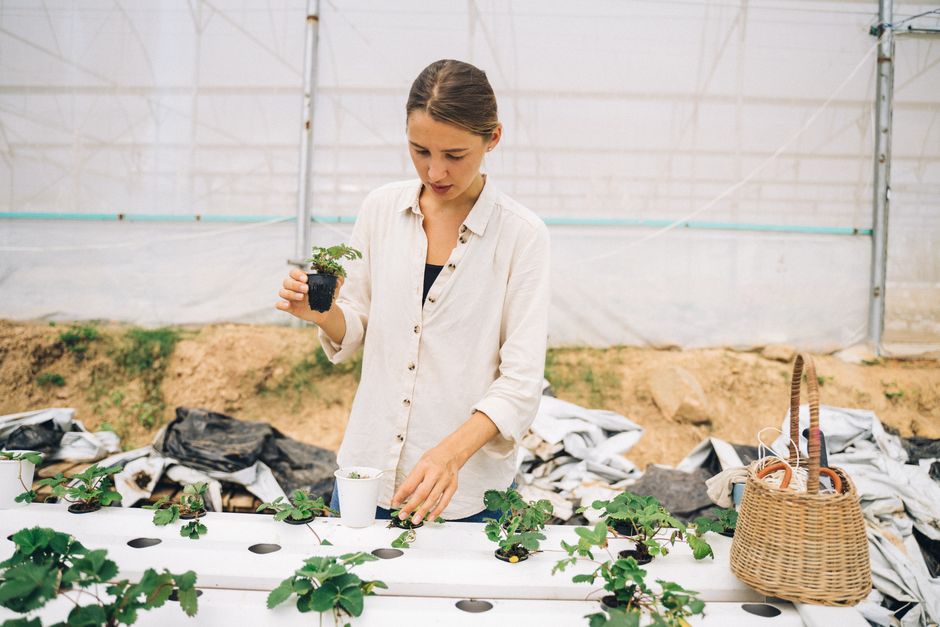
Aquaponics represents a revolutionary approach to sustainable agriculture, combining aquaculture (raising fish) and hydroponics (growing plants in water) into a single integrated system. With the increasing global demand for sustainable food production, more individuals and families are turning to aquaponics as a viable solution. This article delves into the essentials of aquaponics kits, their benefits, and how you can get started on your own aquaponics journey.
What is Aquaponics?
Aquaponics is a symbiotic system where fish and plants are grown together. The waste produced by the fish provides organic nutrients for the plants, and in return, the plants help to filter and purify the water that is recirculated back to the fish. This closed-loop system not only conserves water but also minimizes the need for chemical fertilizers and pesticides, making it an eco-friendly alternative to traditional farming.
For those interested in starting an aquaponics system, an aquaponics kit can serve as an excellent introduction. These kits come equipped with everything you need to get started, including tanks, grow beds, water pumps, and sometimes even seeds and fish. With a basic understanding of aquaponics, you can create a thriving garden right in your home.
Benefits of Using an Aquaponics Kit
One of the primary advantages of using an aquaponics kit is its ease of use. Most kits are designed for beginners, with clear instructions that guide you through the setup process. This means that even if you have little to no gardening experience, you can still successfully cultivate plants and fish.
Moreover, aquaponics systems can yield produce much faster than traditional gardening methods. For instance, leafy greens such as lettuce can be harvested in as little as three to four weeks, while fish can be ready for consumption in just a few months. This rapid growth rate can help meet your dietary needs and offer fresh produce year-round.
Additionally, aquaponics is incredibly versatile. Whether you have a small balcony, a backyard, or even a basement, you can customize your aquaponics kit to fit your space. This adaptability allows urban dwellers to engage in sustainable farming practices without requiring large plots of land.
Setting Up Your Aquaponics Kit
When setting up your aquaponics kit, the first step is to choose an appropriate location. The system should be placed in an area that receives ample natural light, or you may opt for supplemental grow lights if natural light is insufficient. Once you have selected your location, assemble the kit according to the provided instructions.
Next, you’ll need to select your fish and plants. Common fish species for aquaponics include tilapia, goldfish, and catfish, as they are hardy and thrive well in indoor environments. For plants, consider starting with herbs like basil or mint, as well as leafy greens. These plants adapt well to aquaponics systems and flourish with the nutrient-rich water provided by the fish.
Once everything is set up, allow the system to cycle for a few weeks before introducing fish. This cycling process helps to establish beneficial bacteria that convert fish waste into nutrients for the plants. Regularly monitor water quality, including pH levels and ammonia content, to ensure a healthy environment for both fish and plants.
Maintaining Your Aquaponics System
Maintenance of your aquaponics system is crucial for its long-term success. This includes regular feeding of the fish, monitoring water levels, and checking for any signs of disease in both fish and plants. It is essential to maintain a balanced ecosystem, as an imbalance can lead to issues such as algae growth or fish mortality.
Additionally, consider incorporating companion planting strategies to maximize your yield and protect against pests. For example, growing marigolds alongside your vegetables can help deter pests naturally. This method not only enhances your system’s productivity but also contributes to a more sustainable environment.
Finally, don’t hesitate to learn and adapt. Join aquaponics communities online or locally, where you can share experiences, troubleshoot issues, and gain valuable insights from fellow aquaponics enthusiasts.
Conclusion
Aquaponics kits offer an innovative way to engage with sustainable agriculture, allowing individuals to produce food in a resource-efficient manner. By understanding the fundamentals of aquaponics, you can create a balanced ecosystem that provides both fish and fresh produce. Whether you are seeking to enhance your culinary experience or reduce your carbon footprint, an aquaponics kit like the one available at aquaponics kit is an excellent starting point for your journey into this fascinating world of integrated farming.