
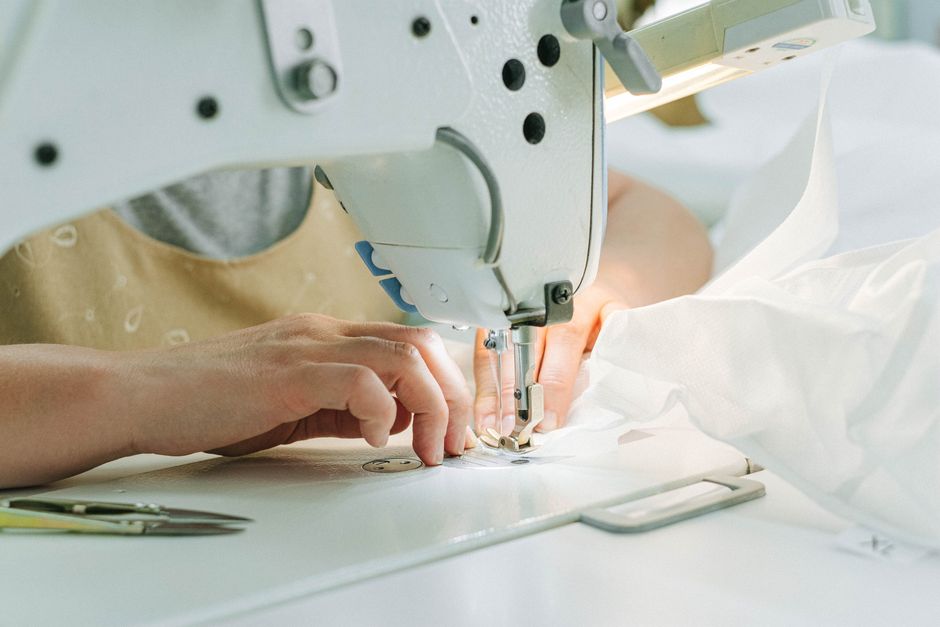
In recent years, the demand for custom clothing has surged, reflecting a growing desire for personalization and uniqueness in fashion. This shift towards customized apparel is not just a trend; it’s a revolution in the clothing industry that caters to individual tastes and preferences. As consumers increasingly seek out unique styles and personalized fits, custom clothing manufacturers are stepping up to meet this demand.
Understanding the Custom Clothing Manufacturing Process
The custom clothing manufacturing process involves several key steps that ensure the final product meets the specific needs of the customer. It typically starts with design, where customers can choose styles, materials, and colors. This is followed by sampling, production, and finally, delivery. Each step requires clear communication between the manufacturer and the customer to ensure satisfaction.
One of the major advantages of working with a custom clothing manufacturer is the flexibility they offer. Unlike mass production, custom manufacturers can adjust their processes to accommodate unique requests, whether it’s a specific fabric choice or a one-of-a-kind design. This level of customization is particularly appealing to small businesses and entrepreneurs looking to establish their brand identity.
Benefits of Custom Clothing
There are numerous benefits to choosing custom clothing over off-the-rack options. Firstly, custom clothing ensures a perfect fit, which is often a challenge with standard sizes. This not only enhances comfort but also boosts confidence, as individuals can wear clothes that are tailored specifically to their body shapes.
Moreover, custom clothing allows for greater expression of personal style. Customers can collaborate with designers to create pieces that reflect their individuality. This personalization aspect is increasingly important in a world where consumers are looking for ways to stand out from the crowd.
The Role of Technology in Custom Clothing Manufacturing
Technology plays a crucial role in the evolution of custom clothing manufacturing. Advances in software and machinery have enabled manufacturers to streamline their processes, making it easier to produce high-quality garments quickly. For instance, 3D modeling software allows customers to visualize their designs before production, reducing the chances of errors.
Additionally, automation in manufacturing processes has made it possible to offer lower prices for custom clothing without compromising quality. This technological integration ensures that even small businesses can compete in the market, providing unique products without the hefty price tag.
Market Trends and Growth Potential
The custom clothing market is projected to grow significantly in the coming years. According to recent industry reports, the global market for custom apparel is expected to reach USD 10 billion by 2025, driven by factors such as increased consumer awareness and the rise of e-commerce platforms.
With the growth of online shopping, many custom clothing manufacturers are also finding success through digital platforms. These platforms allow customers to design their garments online and place orders directly, streamlining the purchasing process. As more consumers opt for online shopping, the opportunities for custom clothing manufacturers are expanding rapidly.
Conclusion: The Future of Custom Clothing Manufacturing
As we look to the future, it’s clear that custom clothing manufacturing is here to stay. With a focus on individuality, quality, and technological advancements, this sector is poised for continued growth. For consumers, the ability to express their unique style through custom garments is a significant advantage, while manufacturers can capitalize on this trend to differentiate themselves in a crowded marketplace.
In conclusion, whether you are a consumer seeking personalized apparel or a business looking to establish a brand, partnering with a custom clothing manufacturer can provide the innovative solutions you need. Embracing this trend not only promotes individuality but also supports a more sustainable and ethical approach to fashion.