In recent years, the architectural landscape has been undergoing a significant transformation, with sustainability taking center stage. As concerns about climate change and environmental degradation grow, the demand for sustainable architecture firms has surged. These firms are not only redefining how we think about buildings but are also setting new standards for environmental responsibility and energy efficiency.
Understanding Sustainable Architecture
Sustainable architecture refers to a design philosophy that emphasizes minimizing environmental impact through thoughtful design choices. This can include using renewable materials, optimizing energy efficiency, and incorporating green technologies. One of the primary goals of sustainable architecture is to create buildings that are not just efficient in their operation but also harmonize with their surroundings.
For instance, firms may choose to utilize local materials to reduce transportation emissions, or implement passive solar design principles that maximize natural light while minimizing heating and cooling needs. This holistic approach not only benefits the environment but also creates healthier living and working spaces.
The Role of Sustainable Architecture Firms
Sustainable architecture firms play a pivotal role in guiding clients through the complexities of eco-friendly building practices. These firms often employ a multidisciplinary team of architects, engineers, and environmental scientists who work collaboratively to develop innovative solutions tailored to each project.
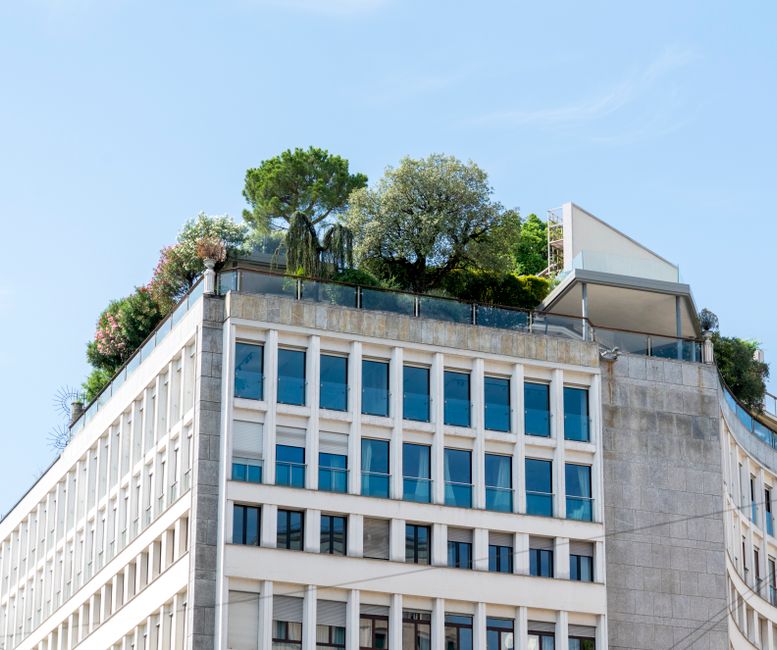
For example, a sustainable architecture firm might work with a client to design a commercial building that incorporates green roofs, rainwater harvesting systems, and energy-efficient HVAC systems. By addressing both the aesthetic and functional aspects of sustainability, these firms help clients understand the long-term benefits of investing in green building practices.
Case Studies in Sustainable Design
Several notable projects exemplify the impact of sustainable architecture firms. One such project is the Bosco Verticale in Milan, Italy, which features residential towers adorned with thousands of trees and plants. This vertical forest not only improves air quality but also provides insulation, reducing energy consumption.
In the United States, the Bullitt Center in Seattle is often referred to as the greenest commercial building in the world. It is designed to be energy-positive, producing more energy than it consumes through a combination of solar panels and rainwater collection systems. Projects like these highlight how sustainable architecture firms are pushing the boundaries of what is possible in building design.
The Future of Sustainable Architecture
As the world grapples with the realities of climate change, the future of architecture appears increasingly green. Sustainable architecture firms are at the forefront of this movement, advocating for policies that promote eco-friendly practices and educating clients on the importance of sustainability.
Moreover, advancements in technology are making it easier for architects to design and construct sustainable buildings. Innovations such as 3D printing and modular construction are reducing waste and increasing efficiency, further enhancing the capabilities of sustainable architecture firms.
Conclusion: The Importance of Choosing the Right Firm
When considering a new building project, choosing a sustainable architecture firm is crucial for ensuring that environmental considerations are prioritized. These firms are equipped with the knowledge and experience to navigate the complexities of sustainable design, providing clients with innovative solutions that meet their needs while also protecting the planet.
As the demand for sustainable buildings continues to rise, it is essential for stakeholders to recognize the value of partnering with a sustainable architecture firm. By doing so, they not only contribute to a more sustainable future but also benefit from the long-term economic advantages associated with energy-efficient buildings.