
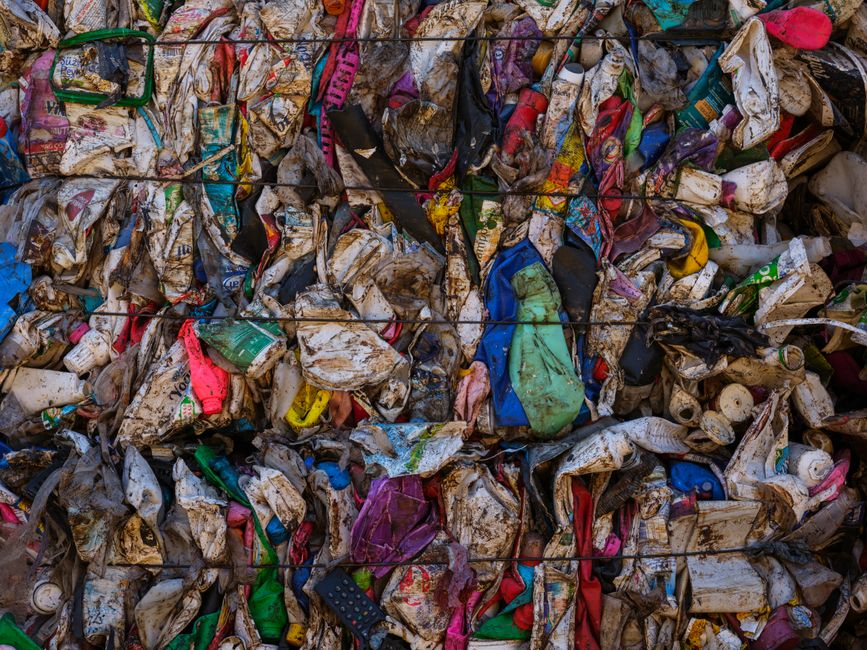
As global awareness of environmental issues continues to grow, the role of plastic recycling companies has become increasingly critical. These companies not only help reduce the amount of plastic waste that ends up in landfills and oceans but also contribute to a circular economy by reprocessing materials for reuse. In this article, we will explore the various functions of plastic recycling companies, their impact on the environment, and the innovations driving the industry forward.
Understanding Plastic Waste
Plastic pollution is one of the most pressing environmental challenges we face today. According to the United Nations, approximately 300 million tons of plastic are produced each year, with a significant portion ending up in our oceans, harming marine life and ecosystems. The sheer volume of plastic waste generated highlights the urgent need for effective recycling solutions.
Plastic waste is not just an environmental issue; it also poses a significant economic challenge. The cost of managing plastic waste has increased, with many municipalities struggling to find effective ways to handle discarded materials. This is where plastic recycling companies come into play, offering innovative solutions that can alleviate these burdens.
The Role of Plastic Recycling Companies
Plastic recycling companies serve several essential functions in the waste management ecosystem. Firstly, they collect and process plastic waste, transforming it into reusable materials. This process not only diverts waste from landfills but also reduces the demand for virgin plastic production, which is energy-intensive and harmful to the environment.
For instance, companies that specialize in recycling polyethylene terephthalate (PET), a common plastic used in bottles and containers, can process this material into new products, significantly reducing the carbon footprint associated with plastic manufacturing. The recycling of PET can save up to 60% of the energy required to produce new plastic from raw materials.
Innovations in Plastic Recycling
The plastic recycling industry is constantly evolving, driven by technological advancements and increased consumer awareness. One notable innovation is the development of chemical recycling processes that can break down plastics into their original monomers, allowing for a more efficient recycling process compared to traditional mechanical recycling methods.
Moreover, many plastic recycling companies are incorporating artificial intelligence and machine learning technologies to improve sorting processes. These technologies enhance the efficiency of separating different types of plastics, which is crucial for maximizing the quality and quantity of recycled materials. By adopting these innovations, companies can increase their recycling rates and contribute to a more sustainable future.
The Economic Benefits of Recycling
The economic advantages of supporting plastic recycling companies are substantial. By investing in recycling infrastructure, communities can create jobs, stimulate local economies, and reduce waste management costs. A report by the National Recycling Coalition estimates that for every job in the recycling industry, an additional 1.17 jobs are created in the manufacturing and recycling sectors.
Furthermore, the recycled plastic market is projected to grow significantly, driven by increasing demand for sustainable materials. As consumers become more environmentally conscious, businesses are seeking recycled materials to meet their sustainability goals. This trend presents a lucrative opportunity for plastic recycling companies to expand their operations and innovate further.
Challenges Facing the Recycling Industry
Despite the numerous benefits, plastic recycling companies face several challenges. One of the most significant obstacles is contamination in the recycling stream, which can degrade the quality of recycled materials. To combat this, companies are investing in education and outreach programs to inform consumers about proper recycling practices.
Additionally, fluctuating oil prices can impact the competitiveness of recycled materials versus virgin plastics. When oil prices are low, producing new plastic can be more cost-effective, leading to decreased demand for recycled products. However, the ongoing shift toward sustainability is encouraging many companies to prioritize recycled materials, helping to stabilize the market.
Conclusion
Plastic recycling companies play a vital role in addressing the growing plastic waste crisis and promoting a circular economy. By investing in innovative technologies and sustainable practices, these companies are not only helping to reduce environmental harm but are also creating economic opportunities. As we move towards a more sustainable future, supporting plastic recycling companies will be essential in achieving our environmental goals and protecting our planet for future generations.