
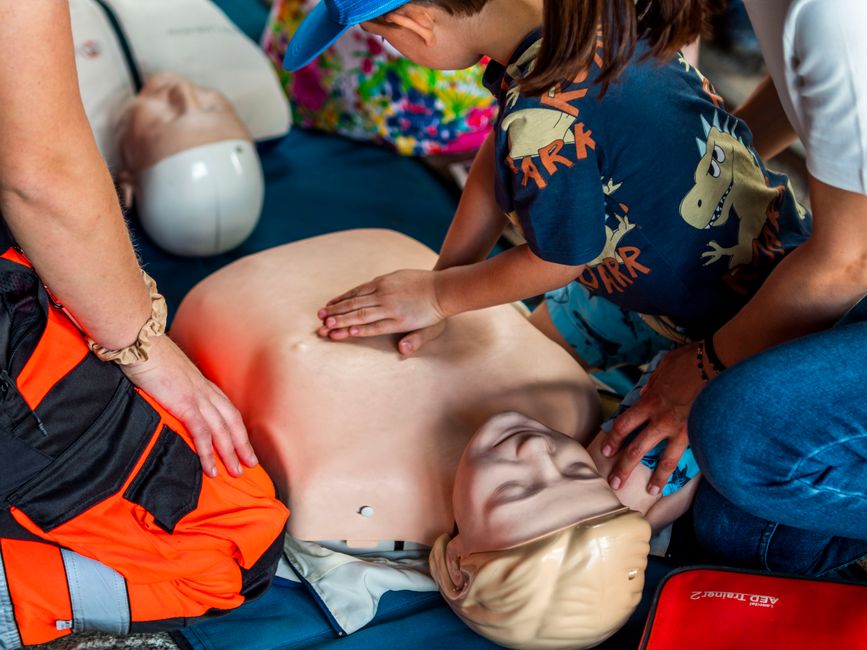
Cardiopulmonary Resuscitation (CPR) is a vital lifesaving technique that can be performed when someone’s heartbeat or breathing has stopped. This emergency procedure is essential in cases of cardiac arrest, drowning, or other situations where an individual is not breathing. Understanding CPR can mean the difference between life and death, making it an important skill for everyone to learn.
What is CPR?
CPR is a combination of chest compressions and rescue breaths aimed at restoring blood circulation and breathing in a person who is in cardiac arrest. The primary goal of CPR is to maintain blood flow to the brain and other vital organs until professional medical help arrives. The procedure is straightforward and can be performed by anyone, regardless of their medical background. With proper training, individuals can become effective responders in emergency situations.
Statistics show that immediate CPR can double or even triple the chances of survival after cardiac arrest. According to the American Heart Association, nearly 350,000 out-of-hospital cardiac arrests occur annually in the United States, yet only about 10% of victims survive. By learning CPR, you can significantly increase the survival rates of those in need.
The Steps of CPR
Performing CPR involves a series of steps that should be followed closely to ensure the best possible outcome. First, check the scene for safety and ensure that the person is unresponsive. Call for emergency assistance immediately. Following this, you should begin chest compressions. Place the heel of one hand on the center of the person’s chest, with the other hand on top, and push down hard and fast, at a rate of 100 to 120 compressions per minute.
After 30 compressions, open the airway by tilting the person’s head back slightly and lifting the chin. Pinch the nose shut, cover the person’s mouth with yours, and give two rescue breaths. Each breath should last about one second and make the chest rise visibly. Repeat the cycle of 30 compressions and two rescue breaths until emergency medical services arrive or the person shows signs of life.
Recognizing Cardiac Arrest
Recognizing the signs of cardiac arrest is crucial for initiating CPR promptly. Key indicators include unresponsiveness, abnormal breathing, or no breathing at all. It is essential to act quickly and not hesitate, as every second counts. Even if you are unsure whether someone is in cardiac arrest, it is better to perform CPR than to do nothing at all.
Moreover, if an Automated External Defibrillator (AED) is available, it significantly increases the chances of survival. An AED is a portable device that can analyze the heart’s rhythm and, if necessary, deliver an electric shock to restore a normal rhythm. Knowing how to use an AED in conjunction with CPR can further enhance the effectiveness of your response.
Importance of CPR Training
While knowing CPR is essential, receiving proper training is equally important. CPR courses are widely available, and many organizations offer both in-person and online training sessions. These courses provide hands-on experience, allowing participants to practice the techniques in a controlled environment. For those in Sweden, for instance, a great option for learning CPR is the HLR kurs Stockholm, which offers comprehensive training tailored to various needs.
Training not only increases confidence in performing CPR but also updates participants on the latest guidelines and techniques. Regular refreshers are recommended, as skills can fade over time, and staying informed ensures that you can provide the best care possible in an emergency.
Conclusion
CPR is an invaluable skill that everyone should learn. It empowers individuals to take immediate action in life-threatening situations, potentially saving lives. With proper training and awareness of the steps involved, you can make a significant difference during emergencies. Remember, every second counts, and your knowledge of CPR could be the key to saving a life.