
The management of water resources has always been a critical aspect of agriculture and landscape management. As global population continues to rise, the demand for efficient irrigation techniques becomes increasingly important. An effective irrigation system not only ensures sustainable crop yield but also conserves water, making it a vital component in the fight against climate change.
Understanding Irrigation Systems
An irrigation system is designed to supply water to crops and plants in a controlled manner. These systems can vary widely in complexity, from simple drip irrigation setups to sophisticated automated systems that monitor soil moisture and weather conditions. The primary goal is to deliver the right amount of water at the right time, thus optimizing plant growth.
Historically, irrigation has been practiced since ancient times, with evidence of early systems in Mesopotamia and Egypt. Over the centuries, these systems have evolved significantly, adopting new technologies and methods. Today, modern irrigation systems can include features such as sensors, timers, and even remote control capabilities.
Types of Irrigation Systems
There are several types of irrigation systems, each designed for specific applications and environments. The most common types include surface irrigation, drip irrigation, sprinkler irrigation, and subsurface irrigation. Understanding the characteristics of each type is crucial for selecting the appropriate system for a given landscape or agricultural operation.
Surface irrigation involves distributing water over the soil surface, typically by gravity. This method is most effective on flat terrains and is often used in large-scale agriculture. On the other hand, drip irrigation delivers water directly to the roots of plants through a network of tubing and emitters, which significantly reduces water loss due to evaporation or runoff.
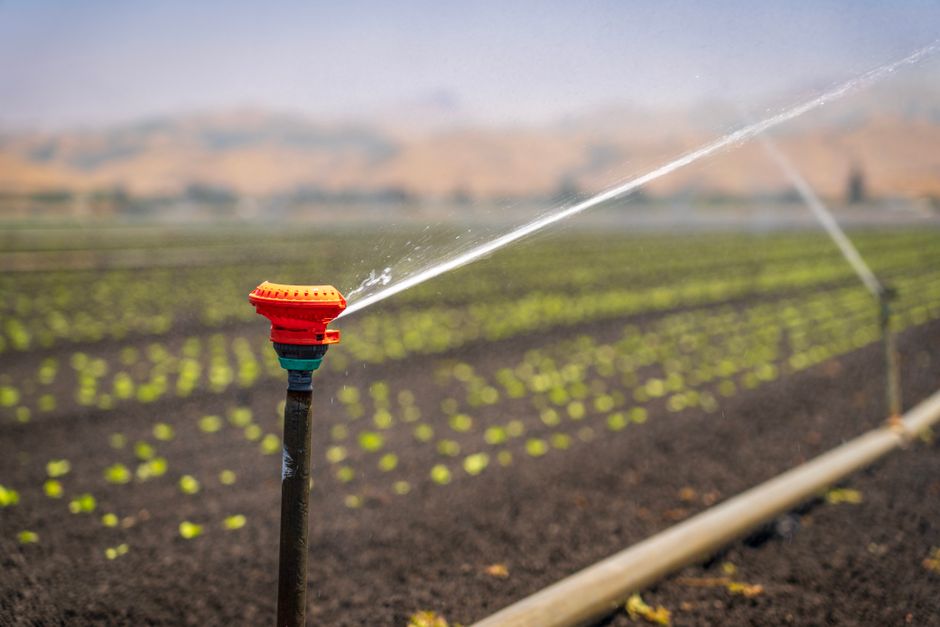
Sprinkler irrigation mimics natural rainfall, distributing water through a system of pipes and spray heads. This method is versatile and can be used for various crops and landscapes. Finally, subsurface irrigation involves burying pipes below the soil surface, allowing for efficient water delivery while minimizing evaporation losses.
The Benefits of Modern Irrigation Systems
Modern irrigation systems offer numerous benefits that contribute to increased agricultural productivity and sustainability. One of the primary advantages is water conservation. By employing advanced techniques such as drip irrigation, farmers can reduce water usage by up to 50% compared to traditional methods.
Additionally, these systems enhance crop yield and quality. With precise water delivery, plants receive the optimal amount of moisture, leading to healthier growth and higher produce quality. Furthermore, modern irrigation systems can be automated, allowing farmers to manage their water resources more effectively, even remotely. This automation can lead to significant labor savings and improved efficiency.
Moreover, efficient irrigation systems can also mitigate the impacts of drought. With water scarcity becoming a pressing global issue, adopting advanced irrigation techniques can help farmers maintain productivity even during dry spells.
Challenges in Irrigation Management
Despite the advantages, managing irrigation systems comes with its own set of challenges. One of the primary concerns is the initial investment required for modern systems. While the long-term savings and benefits can be substantial, the upfront costs can pose a barrier for many farmers, particularly in developing regions.
Additionally, improper management of irrigation systems can lead to issues such as waterlogging, salinity, and nutrient leaching, which can adversely affect soil health and crop productivity. Therefore, it is essential to implement best practices and continuous monitoring to ensure that irrigation systems function optimally.
Climate change also poses a significant challenge to irrigation management. Changing weather patterns can lead to unpredictable rainfall, making it difficult to plan irrigation schedules effectively. Farmers must stay informed about weather forecasts and adapt their irrigation practices accordingly, often utilizing advanced technologies to do so.
Future Trends in Irrigation Technology
The future of irrigation systems is likely to be shaped by advancements in technology and an increasing focus on sustainability. Innovations such as precision agriculture, which uses data analytics and IoT devices, are paving the way for more efficient water use. These technologies can provide real-time data on soil moisture levels, allowing for precise irrigation schedules that match the specific needs of crops.
Furthermore, the integration of renewable energy sources, such as solar-powered pumps, can significantly reduce the environmental impact of irrigation practices. As sustainability becomes a priority in agriculture, the demand for eco-friendly irrigation solutions is expected to grow.
Finally, as urbanization continues to expand, the need for efficient irrigation in urban landscapes and community gardens will also rise. This trend will likely lead to the development of more compact and efficient irrigation systems suitable for small spaces.
Conclusion
In conclusion, irrigation systems play a pivotal role in modern agriculture and landscape management. They not only support food production but also contribute to sustainable water use. As technology continues to advance, the potential for more efficient and effective irrigation practices will expand, allowing us to meet the challenges of a changing climate and growing population. For more detailed information on the latest developments in irrigation systems, consider exploring resources such as irrigation system research articles.