As the world shifts towards sustainable energy and the adoption of electric vehicles (EVs) continues to rise, the role of EV battery suppliers becomes increasingly crucial. These suppliers not only provide the essential components for electric vehicles but also drive innovation and efficiency in the industry. With the demand for EVs projected to reach unprecedented levels in the coming years, understanding the landscape of battery suppliers is vital for manufacturers and consumers alike.
The Growing Demand for Electric Vehicles
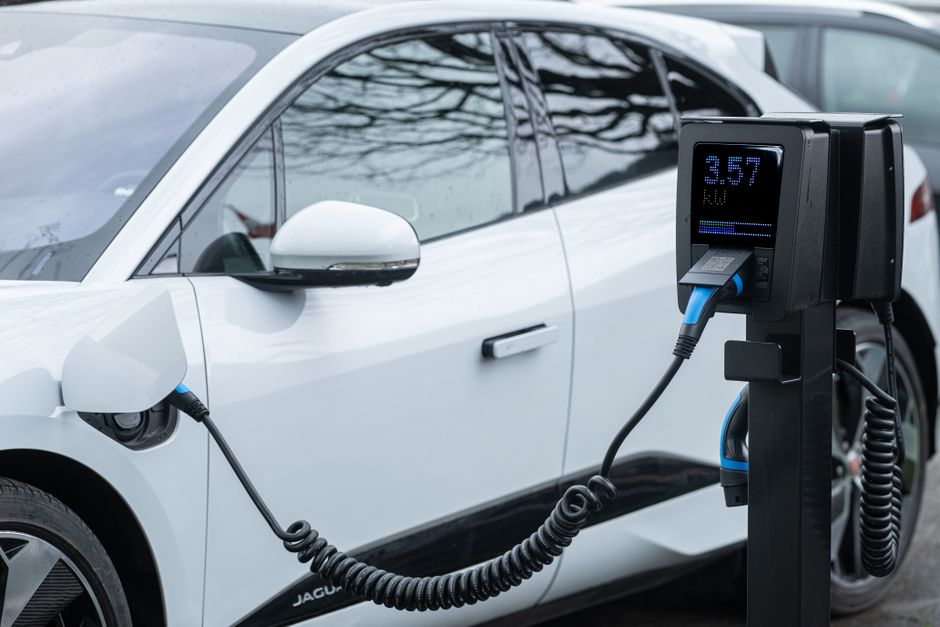
The shift to electric vehicles is being driven by several factors, including environmental concerns, technological advancements, and government policies aimed at reducing carbon emissions. According to a report by the International Energy Agency (IEA), global electric car sales reached 6.6 million units in 2021, a staggering increase from previous years. This trend is expected to continue, with projections suggesting that EV sales could account for over 30% of total car sales by 2030. As this demand surges, the need for reliable and innovative EV battery suppliers is more critical than ever.
In addition to consumer demand, many governments are implementing incentives for electric vehicle purchases and investing in charging infrastructure. For instance, the European Union has set ambitious targets to decarbonize the transport sector, which has led to a significant increase in EV adoption. This regulatory push further amplifies the need for effective battery supply chains to support the growing market.
Key Players in the EV Battery Supply Chain
The EV battery supply chain is complex, involving various players from raw material suppliers to manufacturing companies. Leading battery manufacturers, such as Tesla, LG Chem, and Panasonic, are at the forefront of this industry. These companies are not only producing batteries but also investing in research and development to improve battery technology.
For instance, Tesla’s Gigafactory in Nevada plays a pivotal role in scaling up battery production and reducing costs. By producing batteries at a large scale, Tesla aims to achieve economies of scale that will make electric vehicles more affordable for consumers. Other companies, like CATL and BYD, are also making significant strides in battery technology and are competing for market share as demand grows.
Furthermore, partnerships between automakers and battery suppliers are becoming increasingly common. Companies like Ford and GM are collaborating with battery manufacturers to secure supply chains and ensure the availability of batteries for their upcoming electric models. This trend highlights the importance of strategic alliances in the EV battery market.
Technological Advancements in Battery Production
Innovation in battery technology is a key factor in the success of electric vehicles. Advances in lithium-ion batteries have been crucial in improving energy density, reducing charging times, and lowering costs. Researchers are now exploring alternative battery technologies, such as solid-state batteries and lithium-sulfur batteries, which promise even greater efficiency and safety.
For example, solid-state batteries utilize a solid electrolyte instead of a liquid one, which can significantly enhance the energy density and safety of the battery. Companies like QuantumScape are pioneering this technology, aiming to bring solid-state batteries to market in the near future. Such advancements will not only improve the performance of electric vehicles but also broaden their appeal to consumers.
The integration of artificial intelligence (AI) and machine learning in battery management systems is also transforming the industry. These technologies enable more accurate monitoring of battery performance and health, leading to better longevity and efficiency. As a result, manufacturers can optimize battery usage and enhance the overall driving experience for consumers.
Challenges Facing EV Battery Suppliers
Additionally, the supply chain disruptions caused by global events, such as the COVID-19 pandemic, have highlighted the vulnerabilities in the battery supply chain. Manufacturers are now seeking to diversify their sources and invest in local production to mitigate risks associated with supply chain dependencies.
Moreover, the rising competition among battery suppliers is driving innovation but also intensifying price pressures. As more players enter the market, maintaining competitive pricing while ensuring quality and performance becomes a significant challenge for suppliers.
The Future of EV Battery Suppliers
The future of EV battery suppliers looks bright, with opportunities for growth and innovation. As electric vehicle adoption accelerates, the demand for high-quality batteries will only increase. Suppliers who can adapt to changing market conditions, invest in technology, and establish sustainable practices will thrive in this evolving landscape.
As consumers become more conscious of the environmental impact of their choices, the importance of sustainable battery production will continue to gain traction. Battery suppliers that prioritize sustainability and ethical sourcing will likely find favor among consumers and manufacturers alike.
In conclusion, the landscape of EV battery suppliers is dynamic and rapidly evolving. With the growing demand for electric vehicles, innovative technological advancements, and the challenges that lie ahead, the role of these suppliers is more critical than ever. Stakeholders in the automotive industry must stay informed about the developments in this sector to navigate the future effectively. For those looking to explore the top players in the market, a resourceful guide can be found when considering the leading EV battery suppliers.