
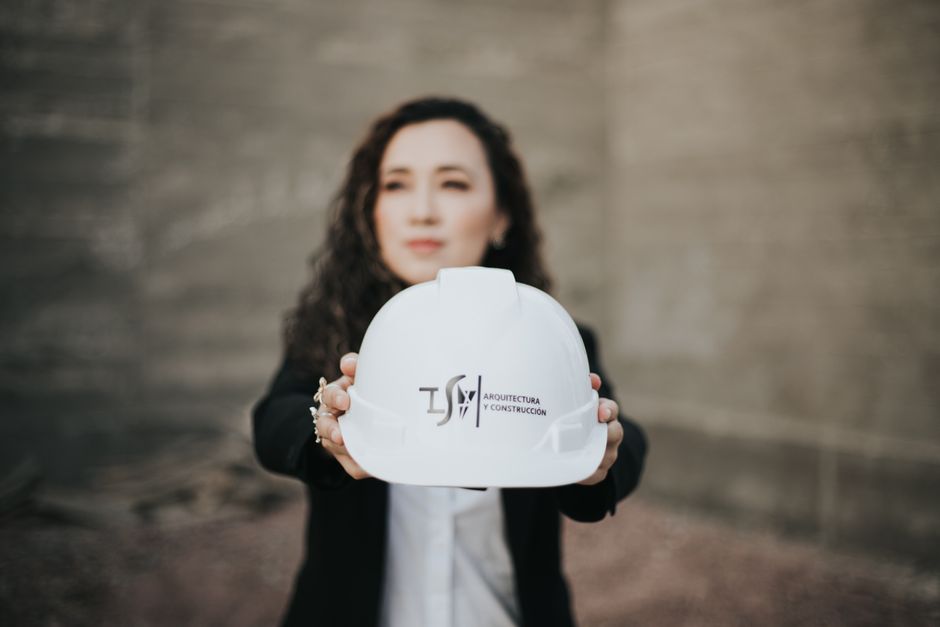
Architect firms play a crucial role in shaping the environments where we live, work, and play. From the skyscrapers that define urban skylines to the cozy homes tucked away in quiet neighborhoods, the influence of architecture is undeniable. In this article, we will explore the evolution of architect firms, their significance in sustainable design, and the future trends that are shaping the industry.
The Historical Development of Architect Firms
The concept of architect firms has evolved over centuries. In ancient times, architects were often seen as artisans who crafted buildings with little formal recognition. However, the Renaissance marked a turning point, where architects like Brunelleschi and Michelangelo gained prominence and began to establish the foundation for modern architectural practice.
By the 19th century, the Industrial Revolution brought about significant changes in construction techniques and materials. This era gave rise to the first formal architect firms, which started to professionalize the field. These firms not only designed buildings but also managed construction projects, a role that continues to be essential today.
In the 20th century, the emergence of modernism led to a new wave of architect firms that embraced minimalism and functionality. Notable examples include the Bauhaus movement, which emphasized the integration of art and technology. This period also saw the rise of iconic architects such as Frank Lloyd Wright and Le Corbusier, who challenged traditional design principles.
The Role of Architect Firms in Sustainable Design
As environmental concerns have grown in recent decades, architect firms have increasingly focused on sustainable design practices. This shift is driven by the need to reduce the carbon footprint of buildings and create spaces that are not only aesthetically pleasing but also environmentally friendly.
Many architect firms now incorporate green building techniques, such as energy-efficient materials and renewable energy sources, into their designs. For instance, LEED (Leadership in Energy and Environmental Design) certification has become a benchmark for sustainable architecture, with many firms striving to meet its rigorous standards.
Moreover, the integration of biophilic design principles—where nature is brought indoors—has gained traction. Architect firms are creating spaces that enhance the well-being of occupants by incorporating natural light, greenery, and outdoor elements. This trend not only improves the quality of life but also promotes sustainability.
Technological Advancements and Their Impact
The role of technology in architecture cannot be overstated. Architect firms are leveraging advanced software and tools to enhance their designs and streamline project management. Building Information Modeling (BIM) is one such technology that allows architects to create detailed 3D models, making it easier to visualize projects before construction begins.
Additionally, virtual reality (VR) and augmented reality (AR) are transforming how clients experience architectural designs. By using these technologies, architect firms can provide immersive experiences that allow clients to walk through spaces before they are built, leading to better decision-making and fewer changes during construction.
The integration of artificial intelligence (AI) is also on the rise, with architect firms using AI algorithms to optimize building layouts and energy efficiency. These advancements are not just enhancing design quality; they are also reducing costs and project timelines.
Challenges Faced by Architect Firms Today
Despite the advancements in technology and design practices, architect firms face several challenges in the modern landscape. One significant issue is the increasing competition in the industry. As more firms enter the market, established firms must continuously innovate to maintain their edge.
Additionally, economic fluctuations can impact the availability of projects, making it crucial for architect firms to diversify their portfolios. Many firms are now exploring international markets and different sectors, such as healthcare and education, to mitigate risks associated with economic downturns.
Moreover, the ongoing pandemic has reshaped the way we think about space and design. Architect firms must adapt to new norms, such as remote work and social distancing, which affects how spaces are conceptualized and utilized.
The Future of Architect Firms
The future of architect firms looks promising as they continue to adapt to changing societal needs and technological advancements. The demand for sustainable and innovative designs is on the rise, and firms that embrace these trends are likely to thrive.
As cities become more populated, architect firms will play a vital role in urban planning and development. The focus on creating affordable housing and community spaces will be paramount as cities evolve.
Furthermore, collaboration between architect firms and other disciplines, such as urban planners and engineers, will become increasingly important. By working together, these professionals can create integrated solutions that address complex challenges facing our built environment.
In conclusion, architect firms are at the forefront of shaping our surroundings and responding to the challenges of modern society. Their ability to innovate and adapt will determine their success in the evolving architectural landscape. To learn more about the work of a leading architect firm, consider exploring their projects and philosophies.