
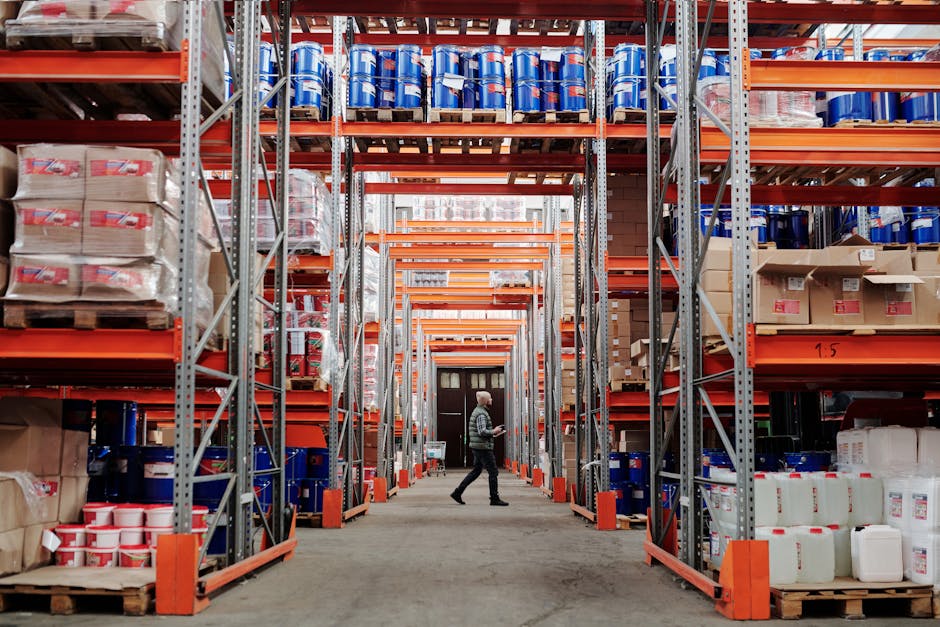
In the intricate web of modern commerce, distributors play a pivotal role that often goes unnoticed. Serving as the bridge between manufacturers and retailers, distributors ensure that products reach the market efficiently and effectively. This article delves into the various facets of distribution, examining its importance, challenges, and future trends.
Understanding the Distributor’s Role
A distributor can be defined as an entity that purchases products from manufacturers and sells them to retailers or directly to consumers. This process is crucial for several reasons. First, it allows manufacturers to focus on production while distributors handle the logistics of getting products to market. Second, distributors often have established networks and relationships that facilitate sales, making them an invaluable asset for manufacturers looking to expand their reach.
For instance, consider a small electronics manufacturer launching a new gadget. By partnering with a distributor, the manufacturer can leverage the distributor’s existing retail connections and knowledge of the market, significantly increasing the chances of a successful product launch.
Furthermore, distributors often provide additional services such as warehousing, inventory management, and marketing support, which can be crucial for manufacturers lacking the resources to manage these aspects on their own.
Types of Distributors
Distributors come in various forms, each serving different market needs. Broadly, they can be categorized into three main types: wholesale distributors, retail distributors, and specialty distributors.
Wholesale distributors purchase large quantities of products directly from manufacturers and sell them to retailers. They typically operate on a business-to-business (B2B) basis, providing retailers with the inventory they need to meet consumer demand. For example, a wholesale distributor of beauty products may supply local salons and shops with the latest skincare lines.
Retail distributors, on the other hand, sell products directly to consumers. These can include large chain stores or e-commerce platforms. The rapid growth of online shopping has led to a surge in retail distributors, who often use sophisticated logistics systems to manage inventory and fulfill orders quickly.
Specialty distributors focus on niche markets, providing specialized products that may not be available through traditional distribution channels. For instance, a distributor specializing in organic food products might work closely with health-conscious retailers to provide a unique selection of goods.
The Challenges Distributors Face
Despite their essential role, distributors encounter several challenges that can impact their operations. One of the foremost issues is the ever-changing landscape of consumer preferences. As trends shift, distributors must be agile and adapt their inventory and marketing strategies accordingly.
Another significant challenge is competition from direct-to-consumer (DTC) brands. Many manufacturers are opting to sell directly to consumers through online platforms, bypassing traditional distributors. This trend can squeeze distributors’ margins and compel them to find innovative ways to demonstrate their value to manufacturers.
Additionally, the rise of technology in logistics and supply chain management has forced distributors to invest in new systems and processes to remain competitive. For instance, a distributor of medical supplies may need to implement advanced inventory management software to track stock levels and fulfill orders efficiently.
The Future of Distribution
The future of distribution is poised for transformation, driven by advancements in technology and changing consumer behaviors. Automation and artificial intelligence (AI) are set to revolutionize the industry, streamlining operations and enhancing decision-making processes.
For example, many distributors are now using AI-driven analytics to forecast demand and optimize inventory levels. This allows them to reduce waste and ensure that they have the right products available at the right time. Moreover, the integration of e-commerce platforms is enabling distributors to reach a broader audience, facilitating sales and improving customer service.
As sustainability becomes a growing concern for consumers, distributors are also adapting their practices to meet these expectations. This includes sourcing products from environmentally-friendly manufacturers and minimizing carbon footprints through efficient logistics.
Conclusion
In conclusion, distributors are an indispensable part of the modern business ecosystem. Their ability to connect manufacturers with consumers while providing essential services makes them critical to the supply chain. As the industry evolves, distributors must continue to adapt to challenges and embrace new technologies to remain competitive. By doing so, they can ensure their relevance in a rapidly changing marketplace. For those interested in enhancing their product offerings, exploring options like dmso gel can provide innovative solutions to meet market demands.