
Metal fabrication shops play a crucial role in various industries, from construction to automotive manufacturing. These specialized facilities transform raw metal into precise components through a range of processes including cutting, bending, and assembling. As the demand for customized metal products continues to rise, understanding the workings of a metal fabrication shop becomes increasingly important for both businesses and consumers.
What is Metal Fabrication?
Metal fabrication is the process of creating metal structures by cutting, bending, and assembling processes. It involves various techniques such as welding, machining, and casting, which allow shops to produce everything from simple brackets to complex frameworks. The goal is to create durable and precise metal products that meet specific requirements and standards.
Often, metal fabrication is performed in shops equipped with specialized machinery and tools. These shops can vary in size and capacity, ranging from small, custom fabrication shops to large-scale operations capable of mass production. Each shop typically has a team of skilled workers who specialize in different aspects of the fabrication process.
Types of Metal Fabrication Processes
There are several key processes involved in metal fabrication, each serving a unique purpose. Some of the most common methods include:
- Cutting: This is often the first step in fabrication, where sheets or plates of metal are cut into specific shapes. Techniques include laser cutting, plasma cutting, and water jet cutting.
- Bending: After cutting, metal pieces may need to be bent into desired angles or shapes. This can be accomplished through press brakes or other bending machines.
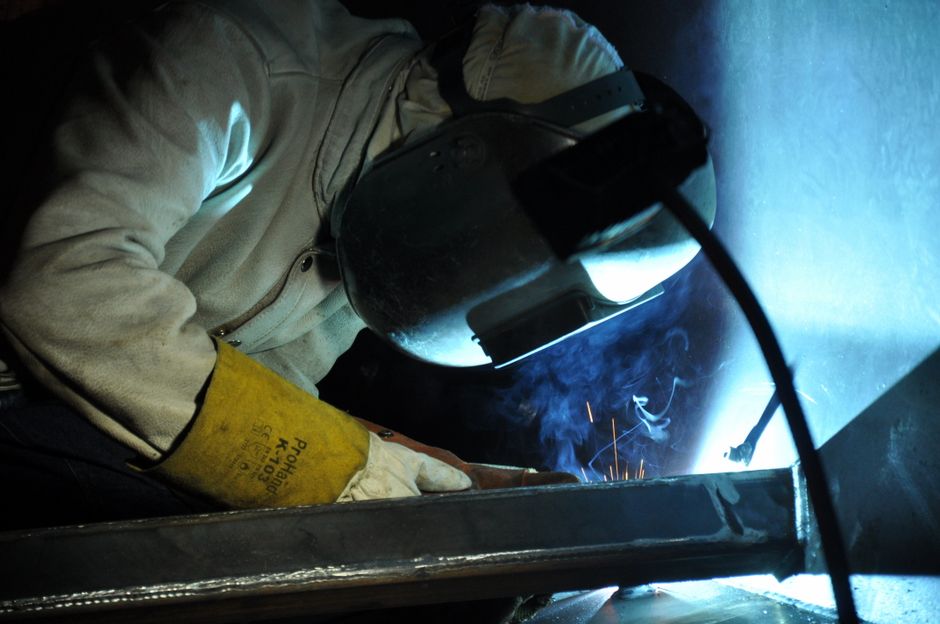
- Welding: Welding is essential for joining multiple metal pieces together. Different welding techniques, such as MIG, TIG, and stick welding, are utilized based on the materials and joint designs.
- Assembly: The final stage involves assembling all fabricated parts into a complete structure or product. This may include additional processes like painting or finishing.
The Importance of Quality Control
In a metal fabrication shop, quality control is paramount. The integrity of the finished product relies on the precision of each fabrication step. Many shops implement rigorous quality control measures, including inspections and testing, to ensure that all components meet industry standards and customer specifications.
For instance, a metal fabrication shop might employ non-destructive testing methods to check for defects in welded joints or use precision measuring tools to ensure that dimensions are within tolerance. Such practices not only enhance the quality of the products but also help in maintaining a good reputation in the industry.
Choosing the Right Metal Fabrication Shop
Selecting a metal fabrication shop is a critical decision for businesses looking to source metal products. Factors to consider include the shop’s capabilities, experience, and customer reviews. It’s essential to find a shop that specializes in the specific type of fabrication needed, whether it’s custom work or large-scale production.
In addition to technical capabilities, communication and responsiveness also play a key role in the selection process. A good metal fabrication shop will work closely with clients to understand their needs and provide solutions that align with their goals.
For businesses looking to expand their operations, partnering with a reliable metal fabrication shop can lead to improved product quality and efficiency.
Future Trends in Metal Fabrication
The metal fabrication industry is constantly evolving, driven by advancements in technology and changing market demands. Automation and robotics are becoming more prevalent in fabrication shops, increasing efficiency and reducing labor costs.
Furthermore, the integration of computer-aided design (CAD) and computer-aided manufacturing (CAM) systems allows for greater precision and flexibility in the fabrication process. These technologies enable shops to quickly adapt to new designs and produce customized products at scale, catering to a diverse range of industries.
As sustainability becomes a larger focus in manufacturing, metal fabrication shops are also exploring eco-friendly practices. This includes using recycled materials and implementing waste reduction strategies, which not only benefit the environment but can also lead to cost savings.
Conclusion
Metal fabrication shops are indispensable in the modern manufacturing landscape, providing essential services that support various industries. By understanding the processes, quality control measures, and future trends, businesses can make informed decisions when selecting a fabrication partner. As the industry continues to advance, those who embrace innovation and quality will thrive in the competitive market.