Crime scenes are often associated with tragic events, and the aftermath can leave a lasting impact on those involved. However, the process of cleaning up after such incidents is crucial for restoring order and safety. In this guide, we will explore the importance of crime scene cleanup, the challenges faced by professionals in the field, and the steps taken to ensure that these areas are thoroughly cleaned and sanitized.
Understanding Crime Scene Cleanup
Crime scene cleanup refers to the process of removing hazardous materials, biohazards, and other debris from locations where violent crimes, suicides, or other traumatic events have occurred. The primary goal is to restore the site to a safe and habitable condition. This process often involves specialized training and equipment to handle potentially dangerous substances.
Professionals in this field, often referred to as biohazard remediation specialists, must adhere to strict safety protocols and regulations. The cleanup process can be emotionally taxing, as workers frequently encounter the remnants of tragic events. Their role is not only to clean but also to provide a sense of closure and dignity to victims’ families.
The Importance of Professional Cleanup
One of the most significant reasons for hiring professionals for crime scene cleanup is safety. Blood, bodily fluids, and other organic materials can pose serious health risks if not properly handled. For instance, blood can carry pathogens such as HIV and Hepatitis B and C, making it essential for trained professionals to manage the cleanup.
Moreover, insurance companies often require that cleanup be performed by certified professionals to ensure compliance with health regulations. This not only protects the property owner but also safeguards the community. An uncleaned crime scene can lead to further trauma for the families involved and may even affect property values in the area.
The Cleanup Process: Steps Involved
The crime scene cleanup process typically consists of several key steps. First, the area is assessed to determine the extent of the cleanup required. This assessment helps in planning how to approach the situation safely and effectively.
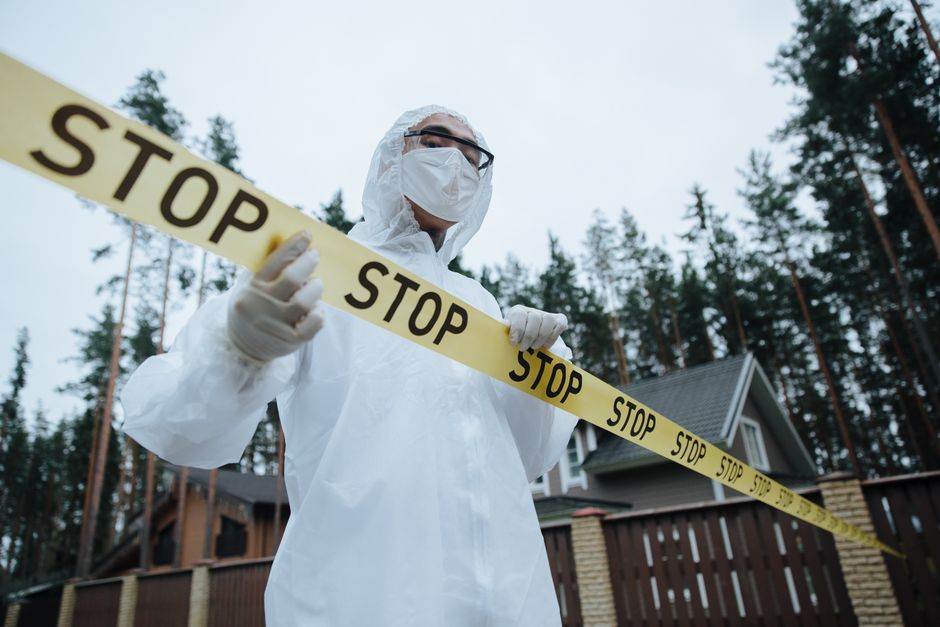
Next, the area is secured to prevent unauthorized access. Once secured, professionals will wear personal protective equipment (PPE) to minimize their exposure to hazardous materials. This includes gloves, masks, and sometimes full-body suits, depending on the severity of the situation.
After the initial precautions, the cleanup begins. This includes the careful removal of biohazardous materials, thorough disinfection of surfaces, and proper disposal of all waste according to local regulations. The entire process can take hours or even days, depending on the complexity of the scene.
Finally, a thorough inspection is conducted to ensure that no hazardous materials remain. This step is crucial in confirming that the area is safe for reoccupation.
Challenges Faced by Cleanup Professionals
While the role of crime scene cleanup professionals is essential, it is not without its challenges. One significant issue is the emotional toll of the job. Workers often encounter graphic scenes and must maintain a level of professionalism despite the circumstances. This emotional burden can lead to burnout and mental health issues if not managed properly.
Additionally, the field is not widely understood, leading to misconceptions about the work involved. Many people assume that cleanup can be done by anyone, but it requires specific training and knowledge about handling biohazards safely.
Conclusion: The Need for Awareness and Support
Crime scene cleanup is a vital service that plays a significant role in the aftermath of traumatic events. By understanding the importance of this work, we can support those who dedicate their lives to restoring safety and dignity in our communities. If you ever find yourself in a situation requiring these services, remember to seek out certified professionals who specialize in crime scene cleanup. Their expertise can make a world of difference in ensuring a safe and respectful recovery process.