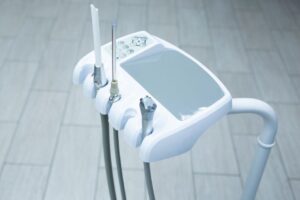

In the rapidly evolving medical field, the importance of having reliable surgical instruments cannot be overstated. Surgeons rely on precision tools to perform intricate procedures, and the quality of these instruments can directly impact patient outcomes. Thus, choosing the right surgical instrument supplier is critical for healthcare facilities and professionals alike.
Understanding the Role of Surgical Instrument Suppliers
Surgical instrument suppliers play a vital role in the healthcare industry by providing a wide range of instruments and equipment necessary for surgical procedures. These suppliers not only offer the physical tools required in the operating room but also ensure that these instruments meet stringent regulatory standards. Understanding the range of products and services offered by these suppliers is essential for healthcare providers.
Typically, a surgical instrument supplier will stock various categories of instruments, including but not limited to scalpels, forceps, scissors, and retractors. Each category encompasses a myriad of specific instruments designed for different types of surgeries. For instance, orthopedic surgeries require specialized tools that differ significantly from those used in cardiac procedures.
Moreover, suppliers often provide additional services such as instrument repair, sterilization, and maintenance. This comprehensive approach allows healthcare facilities to rely on one vendor for multiple needs, streamlining procurement processes and ensuring consistency in instrument quality.
Factors to Consider When Choosing a Supplier
When selecting a surgical instrument supplier, several factors should be taken into account. First and foremost, the quality of the instruments is paramount. Instruments should be made from high-grade materials that can withstand repeated sterilization and use without losing effectiveness.
Another critical factor is the supplier’s reputation in the industry. Researching customer reviews and testimonials can provide valuable insights into the reliability and service levels of potential suppliers. A reputable supplier will have a track record of delivering high-quality products and excellent customer service.
Pricing is also an important consideration. While it can be tempting to opt for the lowest-cost options, it is crucial to balance cost with quality. Remember, inferior instruments can lead to complications during surgery, which may ultimately incur higher costs due to extended hospital stays or additional surgeries.
Benefits of Using a Trusted Surgical Instrument Supplier
Utilizing a trusted surgical instrument supplier can offer numerous benefits to healthcare providers. One of the primary advantages is the assurance of quality. Reliable suppliers adhere to strict manufacturing standards and regulations, ensuring that the instruments are safe and effective for use in surgeries.
Moreover, a good supplier can provide educational resources and training on the proper use and care of the instruments. This is particularly beneficial for new healthcare staff or those who may be unfamiliar with specific tools.
Additionally, a trusted supplier often has established relationships with manufacturers, which can lead to better pricing and access to the latest innovations in surgical technology. Staying updated with the latest advancements ensures that healthcare providers can offer the best possible care to their patients.
How to Evaluate Potential Suppliers
Evaluating potential surgical instrument suppliers requires a systematic approach. Start by compiling a list of suppliers that meet your basic criteria, such as product range and certifications. Then, assess each supplier based on their customer service level, delivery times, and return policies.
It’s also advisable to schedule demonstrations or trials of the instruments you are considering. This allows surgical teams to assess the instruments’ usability and effectiveness in a real-world setting.
Finally, consider the supplier’s ability to provide ongoing support, such as maintenance and replacement parts. A supplier that can quickly respond to your needs will greatly enhance your operational efficiency.
Conclusion
Choosing the right surgical instrument supplier is a critical decision for any healthcare facility. By taking the time to evaluate potential suppliers based on quality, reputation, pricing, and support, healthcare providers can ensure they are equipped with the best tools available for patient care. A reliable surgical instrument supplier not only contributes to the success of surgical procedures but also enhances the overall safety and quality of healthcare services.