
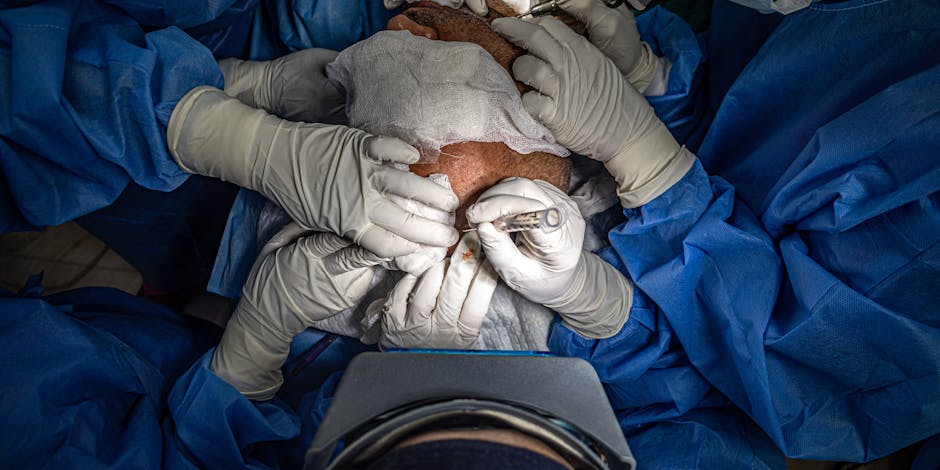
Hair loss can be a distressing experience for many individuals, affecting their confidence and self-esteem. Fortunately, advancements in medical technology have made hair transplant procedures more accessible and effective than ever before. In this comprehensive guide, we will explore the various aspects of hair transplants, including the types of procedures available, the benefits and risks involved, and what to expect during and after the process.
Understanding Hair Loss
Before diving into the details of hair transplants, it’s essential to understand the reasons behind hair loss. Hair loss can occur due to a variety of factors including genetics, hormonal changes, medical conditions, and even stress. According to the American Academy of Dermatology, approximately 80 million Americans experience hair loss, with male pattern baldness being one of the most common types.
Genetic predisposition plays a significant role in hair loss, particularly in men who may start losing hair as early as their late teens. Women can also experience hair thinning, particularly post-menopause, due to hormonal changes. Understanding the underlying cause of hair loss is crucial for determining the most appropriate treatment options.
Types of Hair Transplant Procedures
There are primarily two methods of hair transplant: Follicular Unit Transplantation (FUT) and Follicular Unit Extraction (FUE). Each technique has its own advantages and disadvantages.
FUT involves removing a strip of scalp from the back of the head, from which hair follicles are harvested. This method is often more suitable for individuals requiring a larger number of grafts and can result in a more significant scar. On the other hand, FUE involves extracting individual hair follicles directly from the scalp, leaving minimal scarring and a quicker recovery time. Many patients prefer FUE due to its less invasive nature.
Another emerging technique is Direct Hair Implantation (DHI), which allows for the immediate implantation of hair follicles without the need for incisions. This method can offer faster recovery times and a more natural appearance. Depending on individual needs and circumstances, a qualified hair restoration specialist can recommend the best approach.
Benefits of Hair Transplants
One of the most significant advantages of hair transplants is the permanent solution they offer for hair loss. Unlike topical treatments or medications, which may require ongoing use, a hair transplant can provide lasting results. Additionally, transplanted hair tends to grow naturally, blending seamlessly with existing hair.
Furthermore, advancements in techniques have improved the aesthetic outcomes of hair transplants, leading to more natural-looking results. Many patients report a boost in confidence and self-esteem following the procedure. A study published in the Journal of Cosmetic Dermatology found that over 90% of patients were satisfied with their hair transplant results.
Risks and Considerations
Like any surgical procedure, hair transplants come with potential risks and complications. Common side effects may include swelling, bruising, and temporary hair shedding in the transplanted area. In rare cases, infections can occur, necessitating prompt medical attention.
It is also essential to have realistic expectations regarding the results of the procedure. While many individuals achieve excellent results, factors such as hair type, the extent of hair loss, and adherence to post-operative care can influence the outcome. Consulting with a qualified and experienced specialist is crucial to understand potential risks and ensure the best possible results.
Post-Procedure Care
After a hair transplant, patients must follow specific post-operative care instructions to promote healing and optimize results. This may include avoiding strenuous activities, protecting the scalp from sun exposure, and using prescribed medications to reduce inflammation and prevent infection.
The initial healing period typically lasts about a week, after which patients can resume their regular activities. However, it may take several months for transplanted hair to fully grow in and for the final results to become apparent. Patience is key, as hair growth is a gradual process.
For those considering traveling for their procedure, destinations like Turkey have become popular for affordable and high-quality hair transplant options. Many clinics offer comprehensive packages that include not just the procedure but also accommodations and post-operative care. For more information, you can explore hair transplant turkey.
Conclusion
Hair transplants have revolutionized the way we approach hair loss, providing effective solutions for individuals seeking to restore their hair and confidence. By understanding the different types of procedures, the benefits and risks involved, and the importance of post-operative care, individuals can make informed decisions about their hair restoration journey. Consulting with a qualified specialist is essential to achieve the best results and ensure a successful outcome. With the right approach, hair transplants can lead to life-changing results, allowing individuals to embrace their appearance with renewed confidence.