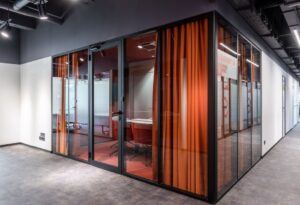
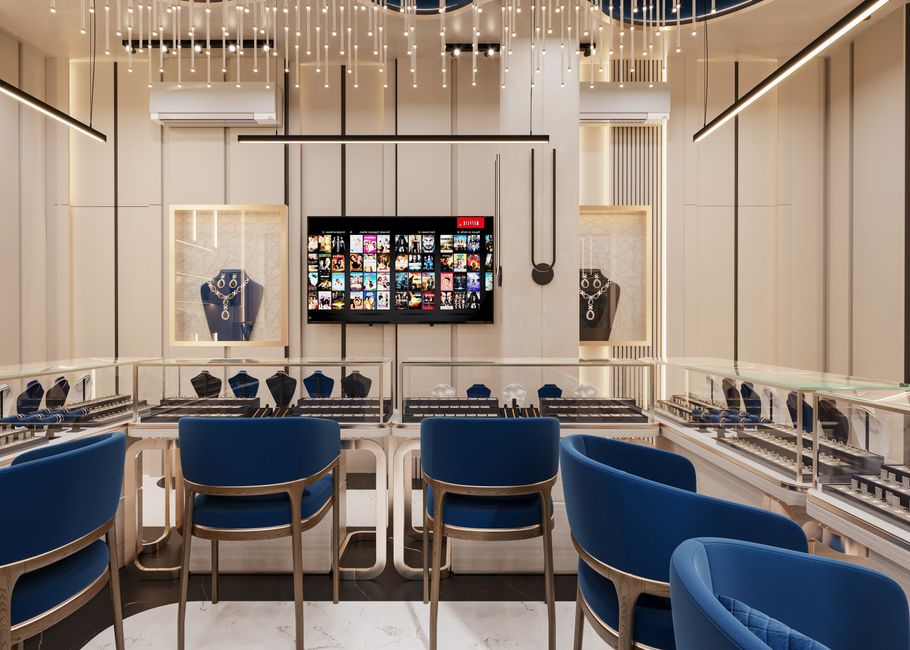
In today’s competitive business landscape, the importance of a well-designed commercial space cannot be overstated. An engaging environment enhances not only the aesthetic appeal but also the functionality of a workspace. A skilled commercial interior designer plays a pivotal role in creating spaces that reflect a brand’s identity while catering to the needs of its users. This article explores the intricacies of commercial interior design, its benefits, and how it can significantly impact business performance.
Understanding Commercial Interior Design
Commercial interior design involves the planning and execution of interior spaces within commercial properties. Whether it’s an office, retail store, or restaurant, the goal is to create an environment that is not only visually appealing but also functional and conducive to business operations. This branch of design encompasses various elements, including layout, color schemes, furniture selection, and lighting.
One of the key aspects of commercial interior design is understanding the psychology of space. The way a space is designed can influence behavior, productivity, and overall satisfaction. For instance, a well-lit area with comfortable seating arrangements can enhance employee morale and encourage collaboration among team members.
Furthermore, commercial designers work closely with architects and contractors to ensure that their vision aligns with structural considerations. This collaboration is crucial for achieving a cohesive look while adhering to safety and building codes.
The Benefits of Hiring a Commercial Interior Designer
Investing in a professional commercial interior designer can yield numerous benefits for businesses. Firstly, they bring a wealth of knowledge and experience to the table. They are adept at understanding the unique requirements of different industries and can tailor designs accordingly. For example, a tech startup may require an open-plan layout to foster innovation, while a law firm may prefer a more traditional approach to convey professionalism.
Secondly, a commercial interior designer can save businesses time and money. Their expertise allows them to source materials and furnishings at a lower cost, often through established relationships with suppliers. Additionally, by streamlining the design process, they can prevent costly mistakes that might arise from DIY attempts.
Lastly, a well-designed commercial space can enhance brand identity. The design elements chosen by a commercial interior designer reflect the values and mission of a business, creating a strong visual representation that resonates with clients and customers.
Key Elements of Successful Commercial Interior Design
To create a successful commercial space, several key elements must be considered. First, functionality is paramount. The layout should facilitate smooth workflow and movement within the space. For example, in a retail store, the placement of aisles and displays can significantly affect customer flow and purchasing behavior.
Secondly, aesthetics play a vital role. The color palette, materials, and furnishings should align with the brand’s identity and the overall atmosphere desired. For instance, a wellness center may opt for soft, calming colors and natural materials to promote relaxation.
Lighting is another critical factor in commercial interior design. Proper lighting not only enhances the overall look of the space but also plays a crucial role in functionality. Natural lighting can boost mood and productivity, while strategically placed artificial lighting can highlight specific areas or products.
Trends in Commercial Interior Design
As the world evolves, so do the trends in commercial interior design. Currently, sustainability is at the forefront. Businesses are increasingly seeking eco-friendly materials and energy-efficient designs to reduce their carbon footprint. This trend not only appeals to environmentally conscious consumers but also aligns with corporate social responsibility goals.
Another significant trend is the incorporation of technology into design. Smart offices equipped with advanced technology enhance productivity and create a more engaging experience for employees and clients alike. Features such as automated lighting, climate control, and integrated audiovisual systems are becoming standard in modern commercial spaces.
Finally, flexible spaces are gaining popularity. With the rise of remote work and the need for adaptability, commercial interiors are being designed to accommodate various functions, allowing businesses to adjust to changing needs without extensive renovations.
Conclusion
In conclusion, hiring a commercial interior designer is a strategic investment for any business looking to enhance its workspace. From understanding the unique needs of a business to creating a visually compelling and functional environment, a skilled designer can transform a commercial space into a powerful asset. By considering the essential elements of design and staying abreast of current trends, businesses can ensure that their interiors not only reflect their brand identity but also contribute to long-term success.