
In an era where visual storytelling is as crucial as sound, music video production has evolved into a complex art form that combines creativity with technical expertise. From concept development to post-production, creating a music video involves numerous steps that require collaboration among various professionals. In this article, we will explore the essential elements of music video production, the roles involved, and how to create a compelling visual narrative that complements the song.
Understanding the Concept Development
The first step in music video production is the concept development phase. This is where the vision for the video is born. The director, along with the artist and producers, brainstorms ideas that align with the song’s themes and lyrics. For instance, a song about love might inspire a romantic storyline, while a party anthem may call for vibrant visuals and dynamic choreography. This phase is critical as it sets the foundation for the entire project.
During this stage, mood boards and storyboards are often created to visualize the concept. These tools help in outlining the scenes and determining the overall tone of the video. Additionally, considering the target audience is vital; understanding who the video is for can influence stylistic choices significantly.
Pre-Production Planning
Once the concept is solidified, the pre-production phase begins. This entails meticulous planning and organization to ensure that the production runs smoothly. Key tasks include location scouting, casting, and budgeting. Locations must be chosen carefully to enhance the narrative; for example, an urban setting might suit a hip-hop track, while a serene landscape could work for a folk song.
Casting the right talent is equally important. Whether it’s the main artist or background dancers, their performance will significantly impact the video’s success. During this phase, a detailed shooting schedule is also created, which outlines when and where each scene will be filmed, along with the necessary equipment and crew members.
The Filming Process
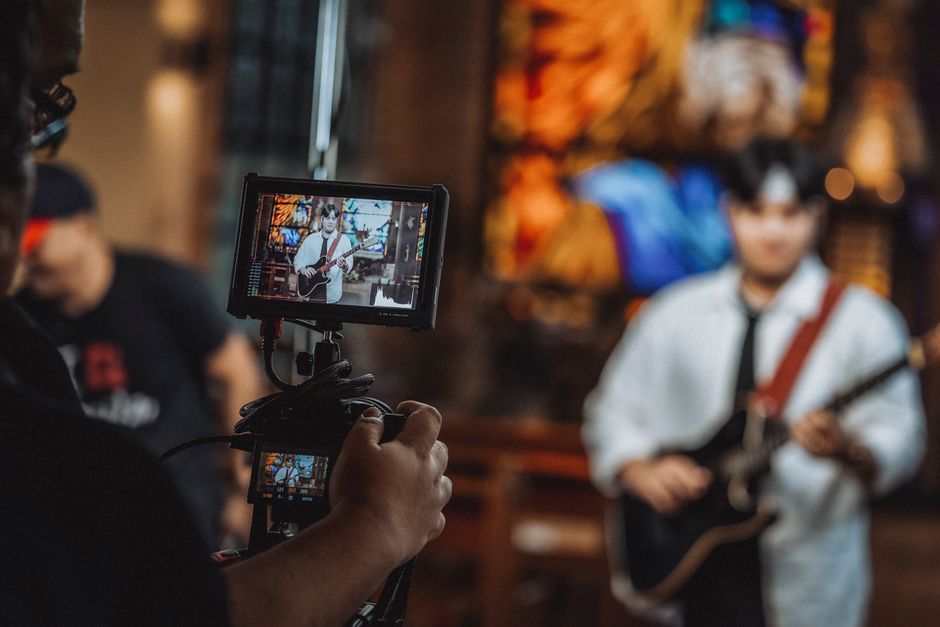
Filming is where the magic happens. This phase typically involves long hours on set, where the director, cinematographer, and crew work together to capture the visual elements of the video. Effective communication among the team is essential to ensure that the vision is accurately translated onto the screen.
Using high-quality cameras and lighting equipment can make a substantial difference in the final product. Techniques such as dynamic camera movements, creative lighting setups, and various shot angles can enhance the visual appeal. For example, using a drone for aerial shots can provide a unique perspective that captivates the audience.
Post-Production and Editing
After filming concludes, the project moves into the post-production phase, where editing brings the music video to life. Video editors play a crucial role in this stage, as they select the best takes, add special effects, and synchronize the visuals with the music. This is often where the narrative truly comes together, creating an engaging experience for viewers.
Color grading is another vital aspect of post-production. It can evoke specific emotions and set the mood of the video. For instance, bright colors might convey joy and energy, while darker tones might suggest a more serious or somber theme. Additionally, sound design, which includes adding sound effects or background music, is integrated during this phase to ensure that the audio and visuals work harmoniously.
Marketing and Distribution Strategies
Finally, once the music video is completed, the focus shifts to marketing and distribution. In today’s digital age, platforms like YouTube, Instagram, and TikTok serve as critical avenues for reaching audiences. Creating a buzz through teasers and behind-the-scenes content can help generate interest before the official release.
Collaboration with influencers and utilizing social media ads can further amplify the video’s reach. Understanding analytics and viewer engagement metrics can also provide insights into how well the video is performing and where improvements can be made for future projects.
To conclude, the world of music video production is a fascinating blend of creativity and technical skill, requiring careful planning and execution at every stage. From the initial concept to the final edit, each element plays a pivotal role in crafting a captivating visual narrative that resonates with audiences. By understanding the intricate processes involved, aspiring creators can better navigate the challenges and opportunities within this dynamic industry.