
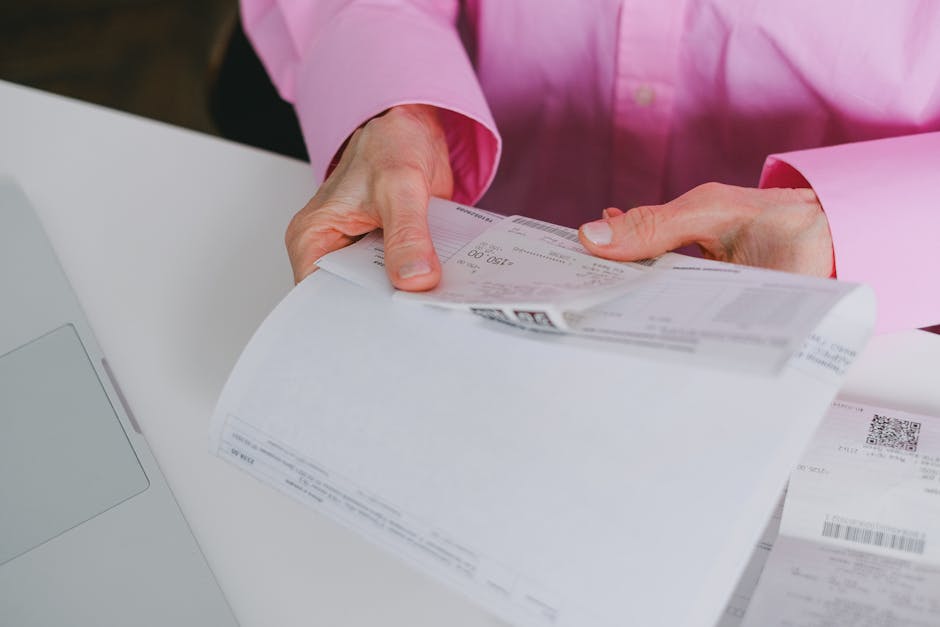
In today’s fast-paced business environment, the threat of fraudulent invoices is a growing concern for many organizations. With increasing sophistication in fraudulent schemes, it is essential for companies to equip themselves with the right tools and strategies to identify and mitigate these risks. This article will explore various methods and best practices to effectively detect fraud invoices, ensuring your business remains protected.
Understanding the Types of Fraudulent Invoices
Fraudulent invoices can take on various forms. Common types include fake invoices, duplicate invoices, and invoices for goods or services that were never delivered. Understanding these types is crucial for proper detection. For instance, a fake invoice may look legitimate at first glance, but discrepancies in details such as the vendor name, tax identification number, or payment terms can reveal its true nature.
Additionally, organizations may encounter duplicate invoices, which occur when the same invoice is submitted multiple times for payment. This can happen due to human error or intentional malice. Lastly, invoices for nonexistent products or services are designed to deceive businesses into making payments for goods they never received. By familiarizing yourself with these types, you can enhance your vigilance.
Implementing Effective Invoice Verification Procedures
One of the most effective strategies to detect fraudulent invoices is to establish a robust invoice verification process. This process should include several key steps, such as checking the legitimacy of vendors, confirming receipt of goods or services, and ensuring that payment terms align with contract stipulations.
For example, before processing any invoice, it is advisable to verify the vendor’s identity and history with your company. This can be achieved by cross-referencing vendor information against a trusted database or using a third-party verification service. Additionally, establishing a system where employees must confirm the receipt of goods or services before payment is made can significantly reduce the risk of fraud.
Utilizing Technology for Enhanced Detection
Incorporating technology into your invoice processing can greatly enhance your ability to detect fraudulent invoices. Automated systems can analyze patterns in invoice submissions, flagging any anomalies for further investigation. For instance, if a vendor suddenly submits an unusually high number of invoices within a short time frame, this could trigger a red flag.
Moreover, utilizing software that integrates machine learning algorithms can help identify trends that may indicate fraudulent behavior. Such technology can learn from historical data, continuously improving its ability to detect irregularities. This proactive approach can save businesses time and resources while minimizing the risk of fraud.
Training Employees to Spot Red Flags
Employee training is another fundamental aspect of fraud detection. Educating employees on common signs of fraudulent invoices can empower them to identify suspicious activities. Training sessions can cover things like recognizing unusual vendor behavior, understanding invoice formats, and knowing the protocols for reporting suspected fraud.
For example, employees should be trained to look for inconsistencies in invoice amounts, unusual vendor contact details, or discrepancies in billing and shipping addresses. By fostering a culture of awareness and vigilance, organizations can create an additional layer of protection against fraudulent invoices.
Conducting Regular Audits and Reviews
Regular audits and reviews of your invoice processing practices are essential for identifying potential weaknesses in your fraud detection system. Scheduled audits can help uncover patterns of fraudulent activity and assess the effectiveness of your current controls. This proactive approach not only helps in detecting fraud but also reinforces a culture of accountability within the organization.
Additionally, reviewing historical invoice data can provide insights into trends and anomalies that may go unnoticed during regular processing. Companies that conduct thorough audits are better positioned to adapt their strategies and implement changes that mitigate risks associated with fraudulent invoices.
Conclusion
Detecting fraudulent invoices is a critical challenge that organizations must address to safeguard their financial integrity. By understanding the types of fraud, implementing effective verification procedures, utilizing technology, training employees, and conducting regular audits, businesses can significantly reduce their risk exposure. As a part of a comprehensive fraud prevention strategy, these measures will help organizations not only detect fraud invoices but also foster a culture of vigilance and accountability. For further reading on how to detect fraud invoice and protect your business, exploring specialized resources can be beneficial.