The interior design of a restaurant plays a crucial role in creating an inviting atmosphere that enhances the dining experience. As the competition in the food industry intensifies, the importance of a well-thought-out interior design cannot be overstated. From the layout to the color scheme, every element influences customer perceptions and their likelihood of returning. In this article, we explore the key elements of effective restaurant interior design and how they can make or break a dining establishment.
Understanding the Basics of Restaurant Interior Design
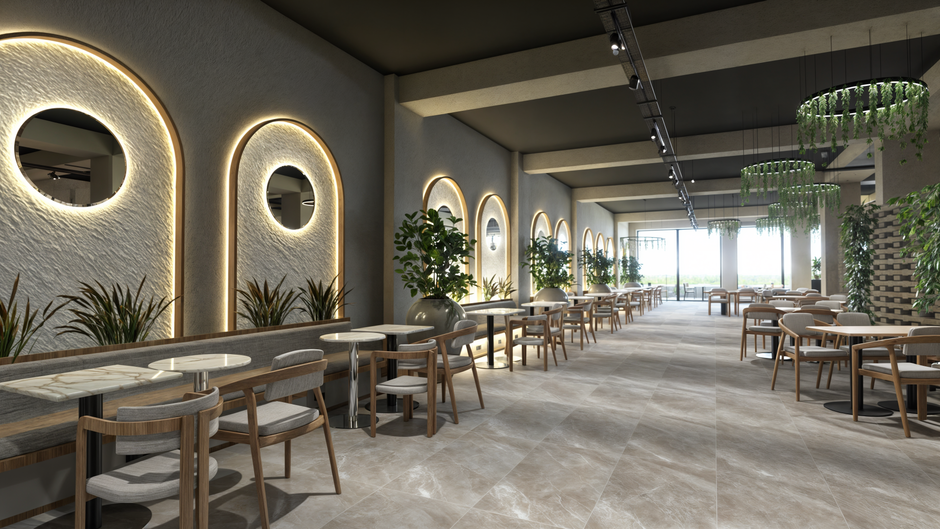
Restaurant interior design is not just about aesthetics; it’s about creating a functional space that serves the needs of both customers and staff. The layout should facilitate smooth operations while ensuring a comfortable dining experience. For instance, the placement of tables and chairs must allow for easy movement, while also maintaining an intimate atmosphere. Designers often consider flow—how customers and staff move through the space—to optimize the layout.
Moreover, choosing the right materials is essential. High-traffic areas such as dining rooms need durable materials that can withstand wear and tear, while softer materials may be used in lounges or waiting areas. The choice of furniture also affects the overall vibe of the restaurant; for instance, using vintage-looking furniture can evoke a sense of nostalgia, while sleek, modern furnishings can create a more contemporary feel.
The Role of Color in Creating Ambiance
Color psychology plays a significant role in restaurant interior design. Different colors can evoke different emotions and influence customer behavior. For example, warm colors like red and orange can stimulate appetite and encourage quick dining, making them popular choices for fast-casual restaurants. In contrast, cooler colors like blue and green can create a sense of calm and relaxation, suited for fine dining establishments.
Lighting is another critical aspect that works hand-in-hand with color. The right lighting can enhance the color palette and create an inviting atmosphere. Dimmable lighting, for instance, can transform the ambiance from day to night, allowing restaurants to adapt to different dining experiences. Strategic use of accent lighting can also highlight specific areas, such as artwork or food displays, drawing attention to your brand’s unique offerings.
Incorporating Trends and Technology
Staying updated with the latest trends in restaurant interior design is essential for attracting customers. Open kitchens, for example, have become increasingly popular as they offer transparency and create a more engaging dining experience. Customers enjoy watching their meals being prepared, which adds an element of entertainment to their dining experience.
Technology also plays a significant role in modern restaurant design. Many establishments now incorporate smart technology to enhance efficiency and customer engagement. For example, tablet menus and self-service kiosks can streamline ordering processes, while digital displays can showcase special promotions or menu items. Integrating such technology can lead to improved customer satisfaction and operational efficiency.
The Importance of Brand Identity in Design
Every restaurant has a unique brand identity that should be reflected in its interior design. The design elements should align with the restaurant’s theme and target demographic. For instance, a family-friendly establishment might use bright colors and playful decor, while a high-end restaurant may opt for a more subdued palette with elegant furnishings.
Moreover, incorporating local culture and elements into the design can create a sense of place, making the dining experience more relatable and appealing to customers. This can be achieved through the use of local artwork, materials, or even traditional dining setups that resonate with the community.
Conclusion
In conclusion, the art of restaurant interior design is a multi-faceted endeavor that combines aesthetics, functionality, and brand identity. As competition in the restaurant industry continues to grow, investing in a thoughtful interior design strategy can set an establishment apart from its competitors. By considering elements such as layout, color, trends, and technology, restaurant owners can create an environment that not only attracts customers but retains them for years to come. To explore more about effective restaurant interior design, it’s essential to stay informed and adaptable to the ever-evolving landscape of dining.