
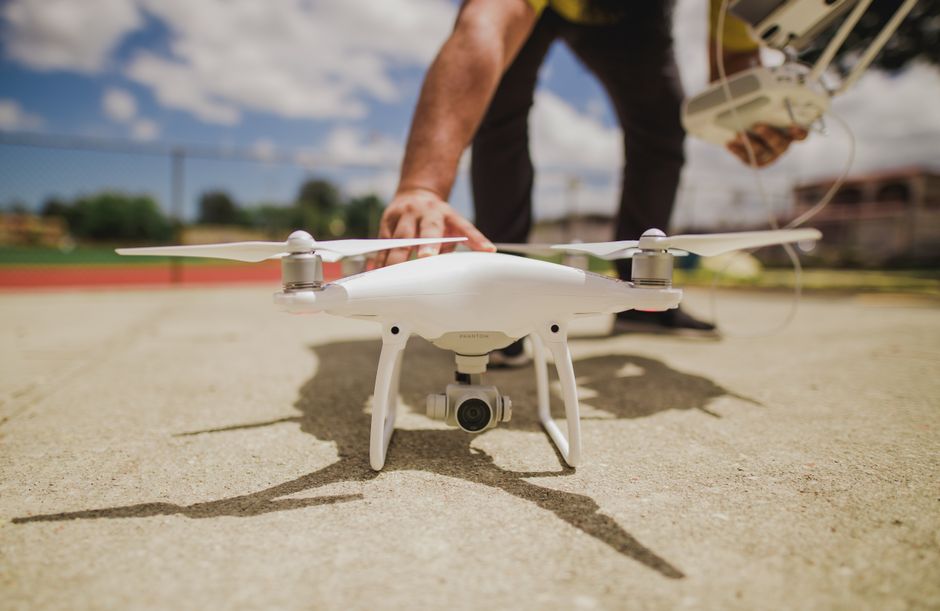
In recent years, the rise of drone technology has transformed numerous industries, from agriculture to filmmaking. As the demand for skilled drone pilots continues to escalate, obtaining a drone pilot certification has become a crucial step for aspiring pilots. This guide will explore the importance of certification, the steps involved in becoming a certified drone pilot, and the benefits that come with it.
Why Certification Matters
Certification serves as a benchmark of quality and safety in the drone industry. It demonstrates that a pilot has met specific educational and regulatory standards, which is increasingly important as regulations surrounding drone usage tighten globally. For example, the Federal Aviation Administration (FAA) in the United States requires pilots to pass a knowledge test to operate drones commercially.
Moreover, having a certification can enhance a pilot’s credibility. Many businesses prefer hiring certified pilots because they are perceived as more knowledgeable and reliable. This trust can lead to more job opportunities and higher pay rates in a competitive market.
Steps to Obtain Your Drone Pilot Certification
The process of becoming a certified drone pilot typically involves several key steps. First, it’s essential to familiarize yourself with your country’s regulations regarding drone operations. For instance, in the Philippines, the Civil Aviation Authority of the Philippines (CAAP) has established guidelines for drone operations and certifications.
Next, aspiring pilots often benefit from enrolling in a training program. These programs can provide valuable hands-on experience and theoretical knowledge about drone operation, safety protocols, and emergency procedures. Many training institutions offer courses specifically designed to prepare students for the certification exam.
After completing a training course, the next step is to take the certification exam. This exam usually covers various topics, including airspace regulations, navigation, weather, and drone maintenance. Successfully passing the exam is a significant milestone in the journey to becoming a certified drone pilot.
Understanding the Different Types of Certifications
Not all drone pilot certifications are created equal. Depending on your goals and the specific applications you wish to pursue, you may need to obtain different types of certifications. For instance, some pilots may seek a certification for commercial drone operations, while others may focus on recreational flying.
In addition, certain industries may have specialized certification requirements. For example, drone pilots working in agriculture may need to understand specific regulations related to aerial spraying, while those in the film industry might require skills in cinematic drone operations.
Benefits of Being a Certified Drone Pilot
The advantages of obtaining a drone pilot certification extend beyond job opportunities. Certified pilots often enjoy access to higher-paying gigs, as many clients are willing to pay a premium for experienced and certified operators. Furthermore, certification can provide pilots with access to exclusive events, workshops, and networking opportunities.
Additionally, possessing a certification can enhance safety awareness. Certified pilots are trained to understand the risks associated with drone flight and how to mitigate them effectively. This training helps reduce accidents and ensures a safer flying environment for everyone involved.
Future Trends in Drone Pilot Certification
As drone technology continues to evolve, so too will the requirements for certification. Industry experts predict that new regulations will emerge, focusing on advanced drone operations such as autonomous flying and beyond visual line of sight (BVLOS) missions. Pilots will need to stay informed about these changes to maintain their certification and remain competitive in the job market.
Furthermore, as drones become more integrated into various sectors, the demand for certified pilots is expected to increase. Staying ahead of trends and continuously updating your skills will be essential for those looking to thrive in this rapidly changing field.
Conclusion
In conclusion, obtaining a drone pilot certification is a vital step for anyone looking to enter the drone industry professionally. From enhancing job prospects to ensuring safety, the benefits of certification are manifold. As technology and regulations evolve, staying informed and prepared will be crucial for aspiring drone pilots. By following the steps outlined in this guide, you can embark on a successful career as a certified drone pilot, ready to take on the challenges and opportunities that lie ahead.