
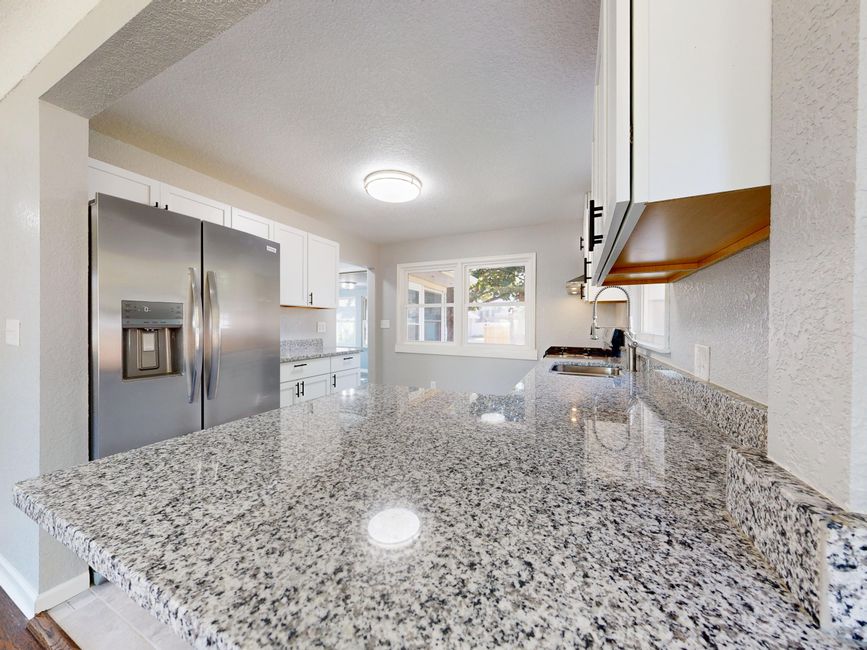
The kitchen is often referred to as the heart of the home, a place where families gather to cook, eat, and create lasting memories. As such, remodeling your kitchen can significantly enhance both the functionality and aesthetic appeal of your home. Whether you are looking to increase your property value or simply want a space that reflects your personal style, understanding the core elements of kitchen remodeling is essential.
Understanding Your Kitchen’s Layout
One of the first steps in kitchen remodeling is to assess your current kitchen layout. There are several common layouts, including the L-shape, U-shape, and galley, each with its own advantages and disadvantages. For example, an L-shaped kitchen is great for open floor plans, allowing for easy movement and conversation. On the other hand, a galley kitchen is often more compact and efficient for cooking.
When considering your kitchen’s layout, think about the “work triangle” concept, which refers to the optimal distance between the sink, stove, and refrigerator. This layout not only improves functionality but can also make cooking more enjoyable. Additionally, consider how much natural light enters the space, as this can greatly affect the mood and functionality of your kitchen.
Choosing the Right Materials
Another crucial aspect of kitchen remodeling is the selection of materials. The materials you choose will not only affect the look of your kitchen but also its durability and maintenance. For countertops, popular choices include granite, quartz, and butcher block. Each material has its pros and cons; for instance, granite is known for its heat resistance and durability, while butcher block offers a warm, rustic feel but requires more maintenance.
Cabinets are another area where material choice can make a significant impact. Solid wood cabinets are a timeless option that adds value, while laminate or plywood can be more budget-friendly alternatives. Always consider the finish as well; high-gloss finishes can modernize a kitchen, while matte finishes may provide more warmth.
Color Schemes and Lighting
The color scheme of your kitchen can dramatically change its overall ambiance. Neutral tones like whites, grays, and beiges are popular choices that create a clean, modern look. However, incorporating bold colors through backsplashes or accent walls can add personality to the space. When selecting colors, think about how they complement your cabinetry and flooring.
Lighting is another essential element of kitchen design. A well-lit kitchen is not only functional but also inviting. Consider a mix of ambient, task, and accent lighting. Pendant lights over an island, under-cabinet lighting, and recessed ceiling lights all serve different purposes but work together to create a well-lit space.
Appliance Selection and Technology
In today’s kitchens, smart technology is becoming increasingly popular. From refrigerators that can help you manage your grocery list to ovens that can be controlled via smartphone, technology can enhance your kitchen experience. When remodeling, consider the energy efficiency of your appliances, as this not only benefits the environment but can also reduce your utility bills.
When selecting appliances, think about their size and how they fit into your kitchen layout. Ensure that you have enough space for open doors and that appliances are easily accessible. Brands often have matching lines of appliances, which can create a cohesive look in your kitchen.
Budgeting for Your Remodel
Lastly, establishing a budget is critical before embarking on a kitchen remodel. Costs can quickly add up, so it’s important to prioritize your needs versus your wants. Consider allocating a portion of your budget for unexpected expenses, as renovations often uncover hidden issues that need addressing.
To get a realistic estimate, research costs for materials, labor, and permits in your area. You may also want to consult with a contractor or designer to get a professional opinion on your project. Remember, investing in quality materials and workmanship can lead to a more satisfying outcome that lasts for years.
Conclusion
Remodeling your kitchen is an exciting journey that requires careful planning and consideration. By understanding your space, selecting the right materials, and budgeting effectively, you can create a kitchen that meets your needs and enhances your home’s value. Whether you opt for a complete overhaul or minor adjustments, transforming your kitchen can lead to a more enjoyable and functional living space.