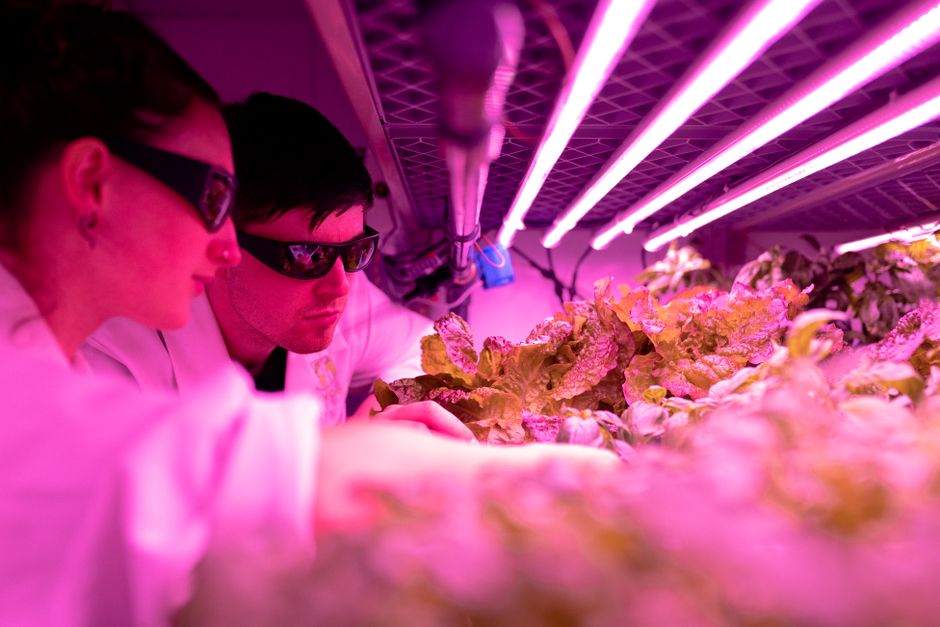
As the global population continues to rise, the demand for food is increasing at an unprecedented rate. Traditional farming methods, which often rely on vast expanses of land and are subject to the whims of weather, are becoming less sustainable. Enter vertical farming technology, a groundbreaking approach that aims to revolutionize how we grow food. By utilizing innovative techniques and technologies, vertical farming offers a sustainable solution to food production in urban environments.
The Basics of Vertical Farming
Vertical farming involves growing crops in vertically stacked layers, often in controlled environments. This method can utilize hydroponics, aeroponics, and even aquaponics to cultivate plants without soil. The primary advantage of vertical farming is its efficiency; it can produce significantly more food per square foot compared to traditional farming. According to a report by the Food and Agriculture Organization (FAO), vertical farms could yield up to 100 times more food than conventional farms.
One of the most exciting aspects of vertical farming is its potential to reduce water usage. Traditional agriculture consumes approximately 70% of the world’s freshwater supply. In contrast, vertical farming systems can use up to 90% less water due to their closed-loop systems. This efficient use of resources is crucial as many regions face water scarcity.
Technological Innovations Driving Vertical Farming
The success of vertical farming relies heavily on technological advancements. LED grow lights, for instance, have transformed the way crops are cultivated indoors. These energy-efficient lights provide the optimal spectrum for plant growth, significantly reducing energy costs while enhancing productivity. Additionally, automation technologies, such as robotics and AI, are being integrated into vertical farms to streamline operations, from planting to harvesting.
Another critical innovation is the use of sensors and data analytics. These tools enable farmers to monitor environmental conditions such as humidity, temperature, and nutrient levels in real-time, allowing for precise adjustments that optimize plant growth. With the integration of the Internet of Things (IoT), vertical farming systems can operate with minimal human intervention, enhancing efficiency and reducing labor costs.
Environmental and Economic Benefits
Vertical farming technology not only addresses food production challenges but also contributes positively to the environment. By growing food closer to urban centers, vertical farms can reduce the carbon footprint associated with transporting food. This localized production model minimizes the need for long-distance transportation, resulting in fresher produce and lower greenhouse gas emissions.
Economically, vertical farming presents a unique opportunity for urban development. As cities expand, the need for sustainable food sources increases. Vertical farms can be established in repurposed buildings, such as warehouses, which reduces the need for new land development. This approach not only provides fresh food but also creates jobs in urban areas, contributing to local economies.
Challenges Facing Vertical Farming
Despite its potential, vertical farming technology faces several challenges. High initial setup costs can deter investment, as building a fully equipped vertical farm requires significant capital. Additionally, the reliance on technology means that farmers must have a certain level of technical expertise, which can be a barrier for some.
Another challenge is the variety of crops that can be grown. While leafy greens and herbs thrive in vertical farms, other crops, such as fruits and grains, may not be as easily cultivated in this environment. Researchers are actively working to find solutions that will expand the range of crops suitable for vertical farming.
The Future of Vertical Farming
Looking ahead, the prospects for vertical farming are promising. As research continues and technology advances, we can expect to see more efficient and cost-effective vertical farming solutions. Companies are already experimenting with hybrid models that combine vertical farming with traditional agriculture, aiming to create a sustainable food system that leverages the strengths of both methods.
Furthermore, government policies and investments in sustainable agriculture are likely to accelerate the growth of vertical farming. Initiatives that promote urban agriculture and support innovative farming technologies will play a crucial role in shaping the future of food production.
In conclusion, vertical farming technology stands at the forefront of a new agricultural revolution. By addressing the challenges of food production in a sustainable manner, it offers a viable solution to the pressing issues of our time. As we continue to explore its potential, vertical farming may very well redefine how we grow and consume food in the years to come. For those interested in the intricacies of this fascinating field, vertical farming technology offers a wealth of information and opportunities.