
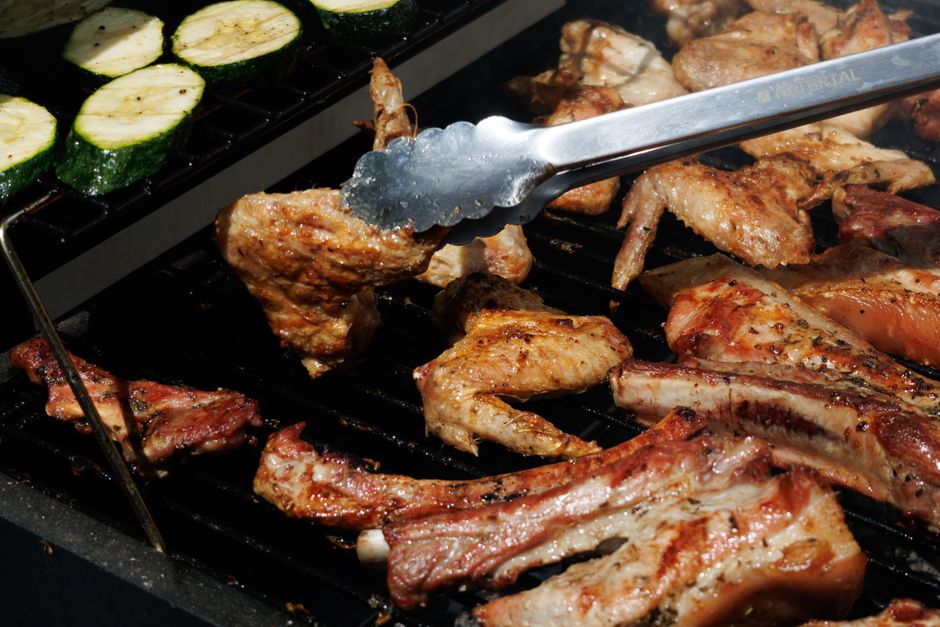
Barbecue is more than just a cooking method; it’s a cultural phenomenon that brings people together. Whether you’re a seasoned pitmaster or just starting, understanding the nuances of barbecue can elevate your culinary skills and make your gatherings unforgettable. In this article, we will explore the history, techniques, and best practices of barbecue, allowing you to impress your friends and family with your grilling prowess.
The History of Barbecue
The roots of barbecue can be traced back to indigenous cultures in the Americas, where meats were slow-cooked over open flames. The term ‘barbecue’ itself is believed to come from the Taino word ‘barbacoa,’ which referred to a framework for cooking meat. Over the centuries, barbecue evolved, influenced by various cultures, particularly in the Southern United States. Today, barbecue styles vary significantly across regions, each boasting unique flavors and techniques.
For instance, Texas is known for its beef brisket, while Kansas City is famous for its sweet and tangy sauces. North Carolina, on the other hand, is recognized for its vinegar-based sauces. Understanding these regional differences can enhance your appreciation for barbecue and inspire you to experiment with various styles.
Choosing the Right Equipment
The equipment you use can make a significant difference in your barbecue results. Traditional barbecue methods often involve a smoker or a grill, each offering distinct advantages. Smokers, which come in various styles like offset, vertical, or pellet smokers, are essential for achieving that rich, smoky flavor that defines great barbecue.
Grills, whether charcoal or gas, provide versatility for quick-cooking meats and vegetables. When selecting your equipment, consider factors such as size, fuel type, and features like temperature control. A good thermometer is also crucial; monitoring the internal temperature of your meat ensures perfectly cooked results every time.
Techniques for Perfect Barbecue
Mastering barbecue techniques requires practice, patience, and a willingness to learn. One fundamental technique is the low-and-slow cooking method, which involves cooking meat at low temperatures for extended periods. This method breaks down tough connective tissues, resulting in tender, flavorful dishes.
An essential aspect of barbecue is the use of rubs and marinades. A good rub combines spices and herbs to create a flavorful crust on the meat, while marinades can infuse moisture and taste. Experimenting with different combinations of spices can lead you to discover your signature flavor profile.
Another technique to consider is the use of wood chips for smoking. Different types of wood, such as hickory, mesquite, or applewood, impart unique flavors to the meat. Soaking wood chips in water before use can help them smolder and produce smoke rather than burn quickly, enhancing the overall flavor of your barbecue.
Barbecue Safety Tips
While barbecue is a fun and enjoyable activity, safety should always be a priority. First, ensure that your grill or smoker is set up in a well-ventilated area, away from flammable materials. Always follow the manufacturer’s instructions for your equipment.
Food safety is another crucial aspect of barbecue. Use separate utensils and platters for raw and cooked meats to prevent cross-contamination. Additionally, always cook meat to the proper internal temperature to eliminate harmful bacteria. For example, chicken should be cooked to an internal temperature of 165°F (75°C), while pork should reach 145°F (63°C).
Hosting a Barbecue Party
Once you’ve honed your barbecue skills, it’s time to share your creations with others. Hosting a barbecue party can be a delightful experience, allowing you to showcase your culinary talents. Start by planning your menu, considering a variety of meats, sides, and beverages to cater to your guests’ preferences.
Offer a selection of sides, such as coleslaw, baked beans, and cornbread, to complement your main dishes. Don’t forget about dessert—grilled fruit or classic American pies can make for a sweet ending to your meal. To keep your guests entertained, consider incorporating games or activities, such as cornhole or a friendly grilling competition.
Finally, remember to enjoy the process. Barbecue is as much about the experience as it is about the food. By creating a warm and inviting atmosphere, you can ensure that your barbecue parties become cherished memories for all who attend.
Conclusion
Barbecue is an art form that invites creativity, patience, and a passion for cooking. By understanding the history, perfecting your techniques, and following safety guidelines, you can become a skilled pitmaster in your own right. Whether you’re grilling for a crowd or enjoying a quiet evening at home, the joy of barbecue is something that everyone can appreciate. So grab your apron, fire up the grill, and start your barbecue journey today!
For more information on barbecue techniques and tips, you can reach out to Zeus, a community dedicated to sharing culinary knowledge and experiences.