
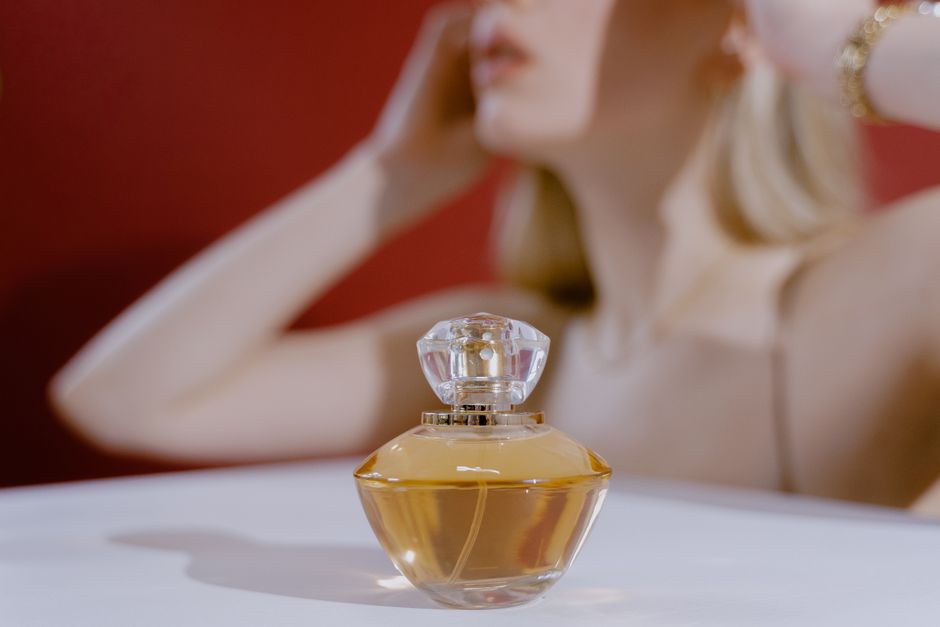
Perfume has been an integral part of human culture for centuries, embodying elegance, luxury, and personal expression. From ancient civilizations to modern-day fashion houses, the allure of scent captivates and enchants. This article explores the fascinating world of perfume, including its history, composition, and the emotional impact it has on individuals and society.
The History of Perfume
The origins of perfume can be traced back to ancient Egypt, where fragrances made from natural ingredients were used in religious rituals and personal adornment. The word “perfume” itself derives from the Latin phrase ‘per fumum’, meaning “through smoke”, indicating its early association with incense and religious practices. As trade routes expanded, the art of perfumery spread to other cultures, including the Greeks and Romans, who began to develop their own unique scents.
By the Middle Ages, perfume had become a symbol of status and wealth, particularly in Europe. The Renaissance saw a surge in the popularity of scented products, as the aristocracy sought to mask unpleasant odors in a time before modern hygiene. Notably, in the 16th century, the Italian noblewoman Catherine de’ Medici played a pivotal role in introducing the art of perfumery to France, where it would flourish for centuries.
The Composition of Perfume
Understanding the composition of perfume is essential for those interested in the craft. Perfumes are typically composed of three main notes: top, middle, and base notes. Top notes are the first scents perceived when applying a fragrance; they are usually light and evaporate quickly. Middle notes, or heart notes, emerge after the top notes fade and form the core of the fragrance. Finally, base notes provide depth and longevity, lingering on the skin long after the initial application.
Modern perfumery often utilizes a blend of natural and synthetic ingredients. While traditional ingredients such as essential oils from flowers, fruits, and spices remain popular, synthetic compounds allow for a wider range of scents that can be more stable and cost-effective. For instance, the use of synthetic musk has revolutionized the industry, providing a long-lasting scent without the ethical concerns associated with animal-derived musks.
The Emotional Impact of Scent
Scents have a profound effect on human emotions and memories. Research has shown that our sense of smell is closely linked to the brain’s limbic system, which is responsible for emotions and memory formation. This connection explains why certain fragrances can evoke vivid memories or feelings, sometimes transporting us back to specific moments in our lives.
Perfume can also influence our perception and behavior. For example, studies indicate that people wearing floral scents may be perceived as more friendly and approachable, while woody or musky fragrances might convey a sense of strength and confidence. This psychological aspect of scent plays a significant role in the marketing of perfumes, as brands strive to create emotional connections with consumers.
Trends in the Perfume Industry
In recent years, the perfume industry has seen a shift towards sustainability and personalization. Consumers are becoming more conscious of the ingredients used in their fragrances, leading brands to adopt eco-friendly practices. Natural and organic perfumes are gaining popularity, as people seek products that align with their values.
Personalization is another key trend, with many brands offering customizable fragrances that allow individuals to create unique scents tailored to their preferences. This shift towards bespoke perfumes reflects a broader desire for self-expression in a world where individuality is increasingly celebrated.
Additionally, niche perfume houses have emerged, offering artisanal and often limited-edition fragrances that cater to a more discerning clientele. One such notable brand is Maison Francis Kurkdjian (MFK), known for its luxurious and innovative scent compositions that push the boundaries of traditional perfumery.
Conclusion
The world of perfume is a rich tapestry weaving together history, science, and personal expression. As we continue to explore the intricate relationship between scent and emotion, it becomes clear that perfume is not merely a product; it is an art form that speaks to the essence of who we are. Whether we seek to evoke a memory, express our identity, or simply enjoy the beauty of fragrance, perfume remains a timeless and powerful aspect of human experience.