
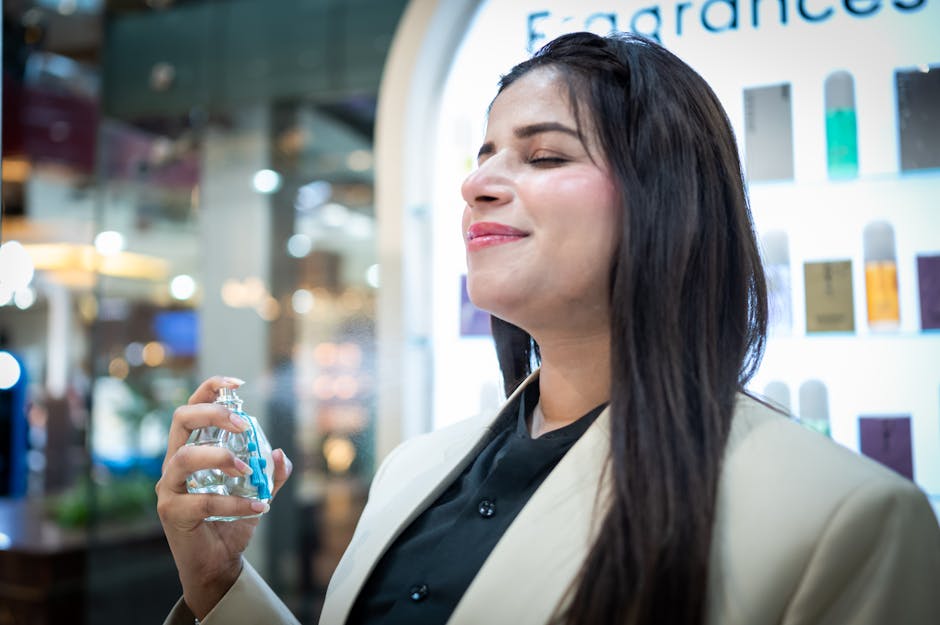
Perfume has been an integral part of human culture for centuries, transcending mere scent to become an art form and a powerful means of expression. From ancient civilizations to modern-day designers, the creation and appreciation of fragrance have evolved into an intricate tapestry of science and artistry. In this article, we will explore the fascinating world of perfume, examining its history, components, the olfactory experience, and the future of fragrance.
The History of Perfume
The history of perfume dates back to ancient Egypt, where it was used in religious ceremonies and daily life. The Egyptians believed that scent had divine properties, and they created fragrances from natural ingredients such as flowers, spices, and resins. This tradition spread to Greece and Rome, where perfumes became symbols of luxury and status.
During the Middle Ages, the art of perfumery was preserved by Arab scholars who expanded the methods of extraction and distillation. It was not until the Renaissance that perfume regained its popularity in Europe, leading to the emergence of famous perfume houses in the 18th century. Notably, the creation of Eau de Cologne marked a turning point in the industry, influencing fragrance development in the years to come.
The Components of Perfume
Understanding the components of perfume is essential for appreciating its complexity. A typical fragrance is composed of three main elements: top notes, middle notes, and base notes. Top notes are the initial scents perceived upon application, often refreshing and light. These notes typically evaporate quickly, making way for the heart of the fragrance.
The middle notes, or heart notes, emerge after the top notes dissipate. These scents are often floral or fruity and provide the fragrance’s character. Finally, base notes are the foundation of the perfume, lasting the longest and adding depth and richness. Ingredients like musk, amber, and sandalwood are commonly used for this purpose.
Modern perfumers often blend natural ingredients with synthetic compounds to achieve unique scents. For example, the use of synthetic musk has revolutionized the industry, allowing for more versatile and enduring fragrances.
The Olfactory Experience
The olfactory experience is not just about the scent itself but also how it interacts with the wearer and the environment. Each person’s skin chemistry can alter the way a fragrance smells, making the same scent unique to different individuals. This phenomenon is why a perfume may smell divine on one person while not as appealing on another.
Moreover, scent is closely linked to memory and emotion. Studies have shown that certain fragrances can evoke powerful memories and feelings, creating an emotional connection to the scent. This is why many people choose their signature fragrances carefully, as they often serve as personal identifiers.
The Future of Fragrance
As we look to the future, the fragrance industry is evolving in exciting ways. Sustainability is becoming a crucial focus, with brands seeking to minimize their environmental impact by using eco-friendly ingredients and packaging. Consumers are also increasingly interested in transparency, demanding to know the origins and compositions of the fragrances they purchase.
Technology is also playing a significant role in the future of perfumery. Innovations such as AI-driven scent creation and personalized fragrance experiences are emerging, allowing consumers to find or create scents that resonate with their individual preferences.
For those seeking high-quality fragrances, niche perfume houses like Maison Francis Kurkdjian (MFK) have gained popularity, offering unique, artisanal scents that stand apart from mass-market options. These brands often focus on craftsmanship and storytelling, elevating perfume from a mere product to an experience.
Conclusion
Perfume is much more than a pleasant scent; it is a rich tapestry of history, science, and art. Its ability to evoke emotions and memories makes it a powerful tool for self-expression. As the fragrance industry continues to evolve, embracing sustainability and technological innovation, one thing remains clear: the allure of perfume will endure, captivating new generations of fragrance enthusiasts.