
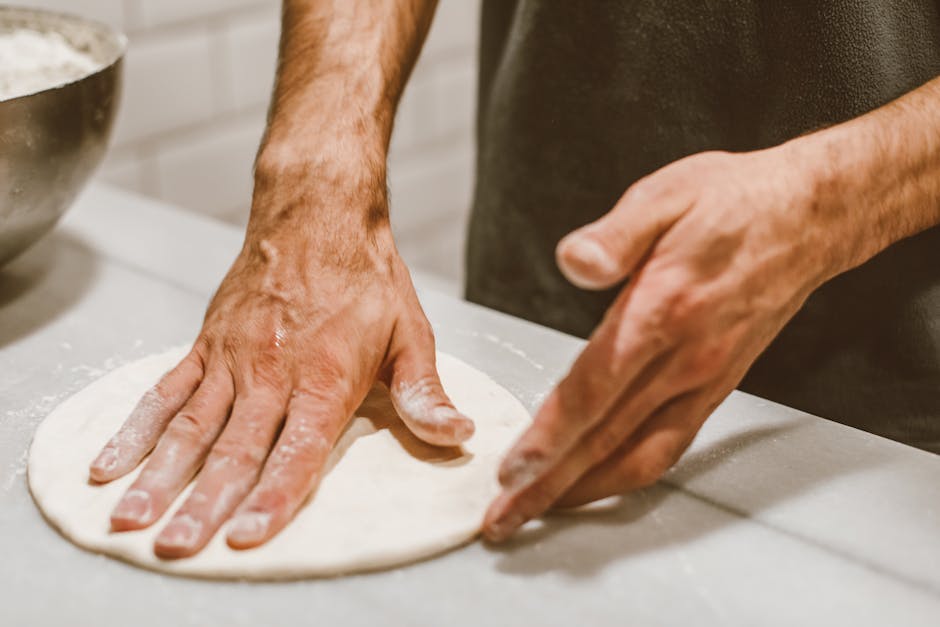
In recent years, the popularity of handmade pizza has surged, captivating food enthusiasts and casual diners alike. The combination of fresh ingredients, unique flavors, and the personal touch of crafting each pizza from scratch creates an unparalleled dining experience. Whether you’re a seasoned chef or a novice in the kitchen, the art of making handmade pizza offers endless possibilities for creativity and enjoyment.
The History of Pizza: From Naples to Your Kitchen
Pizza, as we know it today, has its roots in Naples, Italy, where the Margherita pizza was first created in the late 19th century. This iconic dish was named after Queen Margherita of Savoy and featured simple ingredients: fresh mozzarella, tomatoes, and basil. Over the years, pizza has evolved, with regional variations emerging across Italy and eventually the globe.
In the United States, pizza gained immense popularity in the mid-20th century, leading to the rise of pizzerias and the introduction of various styles, such as New York thin crust and Chicago deep dish. Handmade pizza embraces this rich history while allowing individuals to experiment and create their own unique versions.
Choosing the Right Ingredients: Quality Matters
One of the key elements of handmade pizza is the quality of the ingredients used. Starting with the dough, using high-quality flour, such as Tipo 00, can make a noticeable difference in texture and flavor. Additionally, opting for fresh, locally sourced ingredients for toppings elevates the overall taste of the pizza.
From artisanal cheeses to seasonal vegetables, the possibilities are vast. For example, using heirloom tomatoes for the sauce or adding fresh basil right before serving can enhance the pizza’s flavor profile. The right balance of ingredients not only impacts the taste but also the visual appeal of the final product.
The Dough: A Crucial Component
The foundation of any great pizza is the dough, which requires careful attention and a bit of patience. A traditional pizza dough typically consists of flour, water, yeast, and salt. For the best results, allow the dough to rise slowly, preferably overnight in the refrigerator. This slow fermentation process develops flavor and texture, resulting in a crisp crust.
When shaping the dough, it is essential to handle it gently to preserve the air bubbles created during fermentation. This technique ensures a light and airy crust that contrasts beautifully with the rich toppings. Using a pizza stone or steel in a hot oven also contributes to achieving that perfect crust.
Cooking Techniques: Achieving the Perfect Bake
The cooking method you choose for your handmade pizza significantly impacts its final texture and flavor. Traditional wood-fired ovens can reach temperatures of up to 900°F, creating a unique char and flavor that is hard to replicate at home. However, most home cooks rely on conventional ovens.
To mimic the high temperatures of a wood-fired oven, preheat your oven to its maximum setting and use a pizza stone or steel. This setup allows for even heat distribution and helps achieve a crispy crust. If you want to experiment further, consider a pizza oven, which can be a worthwhile investment for pizza aficionados.
Once your pizza is in the oven, keep a close eye on it. Most handmade pizzas cook quickly, typically within 8-12 minutes, depending on the thickness of the crust and the toppings used. Achieving the right level of doneness is key to a successful pizza.
Innovative Toppings: Exploring Flavors
While traditional toppings like pepperoni and mushrooms are always popular, handmade pizza offers a canvas for culinary creativity. Explore unique flavor combinations by incorporating gourmet ingredients such as truffle oil, smoked salmon, or roasted garlic.
Additionally, consider seasonal toppings that reflect the time of year. In the summer, a fresh corn and zucchini pizza can be refreshing, while a hearty butternut squash and sage pizza is perfect for fall. The opportunity to experiment with flavors is one of the joys of making handmade pizza.
Moreover, don’t shy away from creating dessert pizzas! Using a sweet dough base topped with Nutella, fresh fruits, and a sprinkle of powdered sugar can be a delightful ending to any meal.
Conclusion: Embrace the Handmade Pizza Experience
Handmade pizza is more than just a meal; it is an experience that brings people together. By understanding the history, choosing quality ingredients, mastering the dough, and exploring innovative toppings, anyone can create a memorable pizza that reflects their personal taste.
Whether you’re hosting a pizza night with friends or enjoying a quiet evening at home, the process of making handmade pizza encourages creativity and connection. So roll up your sleeves, gather your ingredients, and embark on the delicious journey of crafting your own pizza masterpiece. For those looking for an elevated pizza experience, consider trying out a local gourmet option like LUXURY 777, known for its exquisite toppings and artisanal approach.