
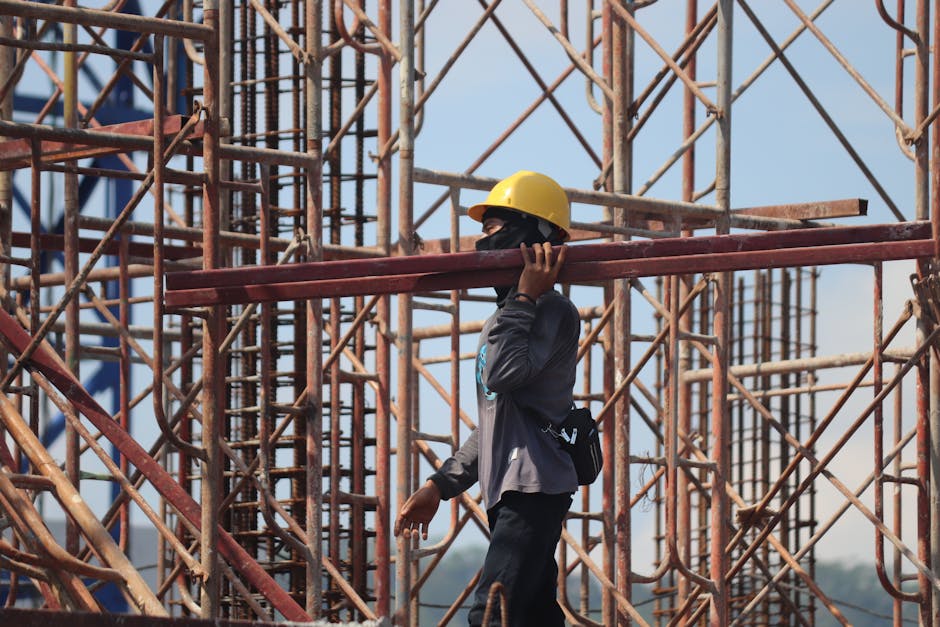
The construction industry has always been a vital part of the global economy, acting as the backbone of infrastructure development and urbanization. As we move deeper into the 21st century, various factors are reshaping the landscape of this sector, including technological advancements, sustainability concerns, and shifting workforce demographics. In this article, we will explore the current trends, challenges, and future prospects of the construction industry.
Technological Innovations in Construction
Modern construction practices are increasingly influenced by technological innovations. From Building Information Modeling (BIM) to drones and 3D printing, technology is enhancing efficiency and accuracy at various stages of construction. For instance, BIM allows architects and engineers to create digital representations of buildings, enabling better collaboration among teams and minimizing costly errors.
Drones are being utilized for site surveys and inspections, providing real-time data that can improve decision-making. Additionally, the advent of 3D printing is revolutionizing the way structures are built, allowing for rapid construction and customization. These technologies not only streamline processes but also contribute to cost savings and improved safety on job sites.
Sustainability and Green Building Practices
As environmental concerns continue to rise, sustainability has become a central focus in the construction industry. The demand for green buildings—structures that are designed, built, and operated to reduce their impact on the environment—has surged. Many construction companies are adopting sustainable practices such as using recycled materials, implementing energy-efficient designs, and obtaining green building certifications like LEED.
According to a report by the World Green Building Council, green buildings can significantly reduce energy consumption, leading to lower operational costs and a smaller carbon footprint. As clients become more environmentally conscious, the integration of sustainable practices into construction projects is expected to grow, creating a competitive edge for companies that embrace these changes.
Workforce Challenges and Development
The construction industry is facing a significant workforce challenge, notably a shortage of skilled labor. As many experienced workers retire, there is a growing gap in the workforce that younger generations are not adequately filling. This shortage can lead to project delays and increased labor costs, affecting overall profitability.
To combat this issue, companies are investing in training programs and partnerships with educational institutions. For example, apprenticeship programs can provide hands-on experience for new workers, helping to bridge the skills gap. Additionally, embracing diversity and inclusivity can attract a broader range of candidates to the industry, enriching the workforce.
Market Trends and Economic Impact
The construction industry is intricately linked to economic trends and fluctuations. Factors such as interest rates, government spending, and urbanization rates play crucial roles in determining the health of the market. According to the U.S. Bureau of Labor Statistics, employment in the construction sector is projected to grow by 8% from 2019 to 2029, indicating a robust recovery and expansion potential.
Moreover, government initiatives aimed at infrastructure development can stimulate demand for construction services. For example, the recent infrastructure bill passed in the United States is expected to inject billions into various construction projects, creating jobs and boosting economic activity. Companies that are well-positioned to take advantage of these opportunities are likely to thrive in this evolving landscape.
Conclusion
The construction industry stands at a crossroads, facing both challenges and opportunities as it adapts to modern demands. Technological advancements are providing new tools and methodologies, while sustainability practices are reshaping project designs. However, addressing workforce shortages and navigating market fluctuations will require strategic planning and proactive measures. Companies that embrace innovation and prioritize sustainable practices will not only survive but thrive in the competitive construction landscape. For those looking to connect with others in the industry, joining a local construction network charlotte nc can be a valuable step towards growth and collaboration.