
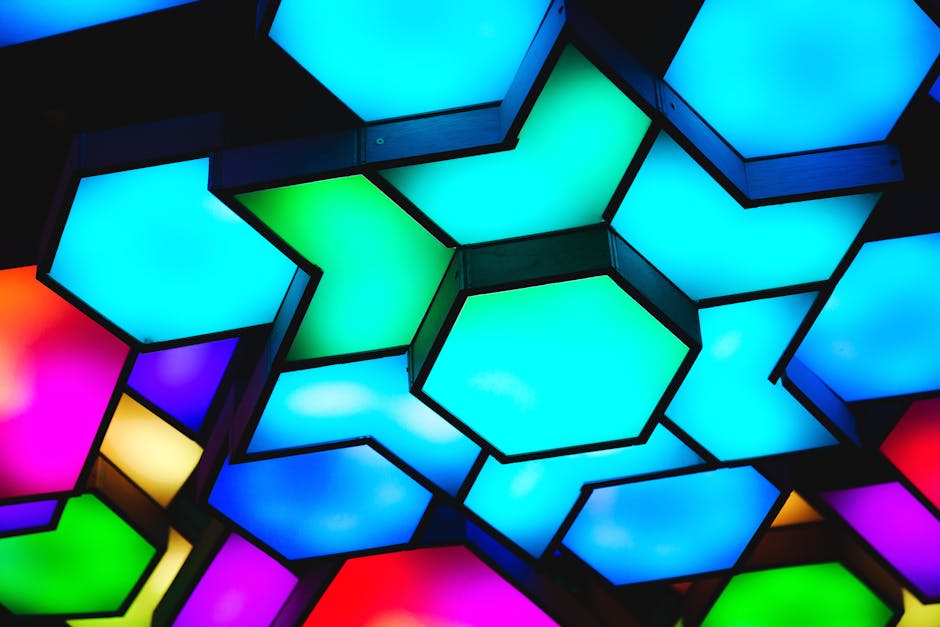
In recent years, LED (Light Emitting Diode) technology has revolutionized the way we illuminate our environments. From homes to commercial spaces, LEDs have become the go-to choice for lighting solutions due to their energy efficiency, longevity, and versatility. This article explores the various applications, advantages, and future trends of LED technology, showcasing why it’s a pivotal component in modern lighting.
Understanding LED Technology
LEDs are semiconductor devices that emit light when an electric current passes through them. The fundamental principle behind LEDs is electroluminescence, where electrons recombine with holes in the semiconductor, releasing energy in the form of photons. This process is not only efficient but also allows for a range of colors depending on the materials used in the semiconductor. As a result, LEDs can produce vibrant colors without the need for filters.
The compact size of LED components enables innovative lighting designs, allowing for applications that were previously impossible with traditional incandescent or fluorescent bulbs. For instance, LEDs can be integrated into flexible strips, making them ideal for accent lighting and creative installations.
The Advantages of LED Lighting
One of the most significant advantages of LED lighting is its energy efficiency. According to the U.S. Department of Energy, LEDs use at least 75% less energy than incandescent lighting, which translates into lower electricity bills for consumers and businesses alike. This energy efficiency not only benefits the environment by reducing greenhouse gas emissions but also contributes to significant cost savings over time.
Furthermore, LEDs have a much longer lifespan compared to traditional bulbs. While incandescent bulbs typically last about 1,000 hours, LEDs can last up to 25,000 hours or more, resulting in fewer replacements and reduced waste. This longevity is particularly beneficial in commercial settings, where maintenance costs can add up significantly.
Another advantage is the durability of LEDs. Unlike fragile incandescent bulbs, LEDs are solid-state lights that can withstand shocks, vibrations, and temperature fluctuations. This resilience makes them suitable for a variety of applications, including outdoor lighting and industrial settings.
Applications of LED Technology
LED technology has found applications across various sectors, transforming how we light our world. In residential settings, LED bulbs have replaced traditional lighting solutions, offering homeowners energy-efficient options that enhance the aesthetic appeal of their spaces. Decorative LED fixtures and smart lighting systems allow for customized lighting experiences, controlled via smartphones or voice-activated devices.
In the commercial realm, businesses are adopting LED solutions to improve their lighting conditions while reducing operational costs. For instance, retail stores use LED lighting to highlight products and create inviting atmospheres, while office spaces benefit from enhanced productivity due to improved visibility and reduced eye strain.
Moreover, LED technology is making waves in transportation, with LED headlights becoming more common in modern vehicles. These lights not only improve visibility on the road but also consume less power, contributing to overall vehicle efficiency.
The Future of LED Lighting
The future of LED technology appears bright, with continuous advancements paving the way for even more innovative applications. One exciting trend is the development of smart LEDs that integrate with IoT (Internet of Things) systems. These smart lights can be programmed to adjust brightness based on occupancy or time of day, further enhancing energy savings.
Additionally, the introduction of tunable white LEDs allows users to adjust the color temperature of their lighting, creating environments that can be tailored to specific needs, whether it’s a calming atmosphere for relaxation or bright lighting for concentration.
As sustainability becomes a priority for consumers and businesses alike, the demand for energy-efficient lighting solutions will continue to rise. This trend will likely drive further research and development in LED technology, resulting in even more efficient and environmentally friendly lighting options.
Conclusion
In conclusion, LED technology represents a significant leap forward in the field of lighting. With its energy efficiency, longevity, and versatility, it has become the preferred choice for a wide range of applications. As innovations continue to emerge, the future of LED lighting is set to be even more dynamic, ushering in a new era of illumination that meets the demands of modern society. Whether you are looking to upgrade your home lighting or enhance your business environment, choosing LED solutions is a step towards a brighter, more sustainable future. Explore more options like benzi LED RGB to find the perfect lighting for your needs.