
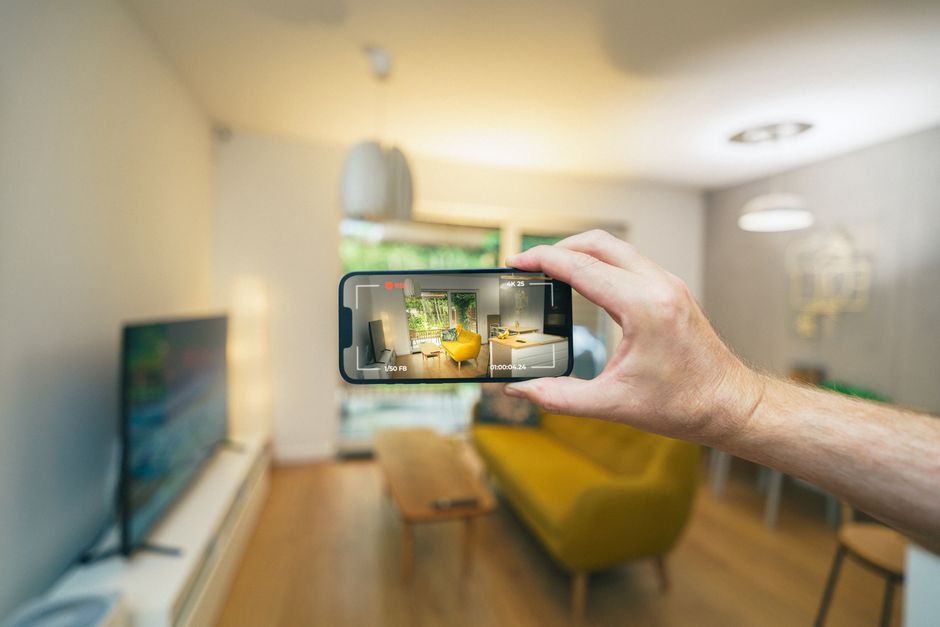
In the digital age, the way we experience places has transformed dramatically. Traditional photography no longer suffices for showcasing properties, venues, or attractions; it’s all about creating immersive experiences. Virtual tour photography has emerged as a powerful tool, allowing viewers to navigate spaces as if they were physically there. This article delves into the significance, techniques, and benefits of virtual tour photography, highlighting why it’s becoming an essential asset across various industries.
What is Virtual Tour Photography?
Virtual tour photography involves capturing a series of images using specialized equipment to create a 360-degree view of a location. These images are then stitched together to form a navigable experience. Viewers can click through the images and explore the environment, providing a sense of presence that traditional photos simply cannot achieve. This technology is often used in real estate, hospitality, museums, and even educational institutions to give potential clients or visitors a taste of what to expect.
In essence, virtual tours merge photography with technology, combining high-resolution images with interactive elements. This innovative approach not only enhances the visual appeal but also offers a unique way to engage audiences. For example, a real estate agent showcasing a property can include clickable hotspots that provide additional information about specific features or rooms.
Benefits of Virtual Tour Photography
The advantages of virtual tour photography are numerous and impactful. Firstly, it serves as a cost-effective marketing tool. By allowing potential clients to explore a space remotely, businesses can save on travel expenses and reduce the time spent in physical viewings. This is particularly advantageous in real estate, where buyers can narrow down their choices without visiting every property.
Moreover, virtual tours enhance customer experience. They provide an interactive platform that captivates viewers, encouraging them to spend more time engaging with the content. Statistics show that listings with virtual tours receive 87% more views compared to those with standard photographs. This increased engagement can lead to higher conversion rates, ultimately benefiting businesses.
How to Create Virtual Tours
Creating a virtual tour involves several steps, starting with planning the shoot. It’s essential to choose the right equipment, including a panoramic camera or a DSLR with a fisheye lens, to capture high-quality images. Lighting is another critical factor to consider; natural light often works best, but additional lighting may be necessary to highlight specific areas.
Once the images are captured, they need to be processed and stitched together using specialized software. This can include programs like Adobe Photoshop or dedicated virtual tour software that allows for easier integration of interactive elements. After the tour is created, it can be hosted on websites or shared through social media platforms, maximizing its reach.
Industry Applications of Virtual Tour Photography
Various industries are leveraging virtual tour photography to enhance their services. In real estate, agents use virtual tours to showcase properties, allowing potential buyers to visualize the space without the need for in-person visits. This not only saves time but also caters to the growing demand for remote viewing options.
In the hospitality sector, hotels and resorts use virtual tours to attract guests by providing a realistic view of their accommodations and amenities. This has proven to be effective in increasing bookings, as customers feel more confident in their choices when they can see what to expect. Additionally, museums and cultural institutions utilize virtual tours to reach wider audiences, especially during times when physical visits may be limited.
Conclusion
As technology continues to evolve, virtual tour photography stands out as a revolutionary method for showcasing spaces and engaging audiences. Its ability to create immersive experiences not only enhances marketing efforts but also provides practical solutions for various industries. By adopting virtual tour photography, businesses can stay ahead of the competition and meet the evolving needs of their customers. Whether you’re in real estate, hospitality, or any other sector, investing in virtual tours is not just an option—it’s becoming a necessity. To explore more about virtual tour photography, check out virtual tour photography services that can elevate your business’s marketing strategy.