
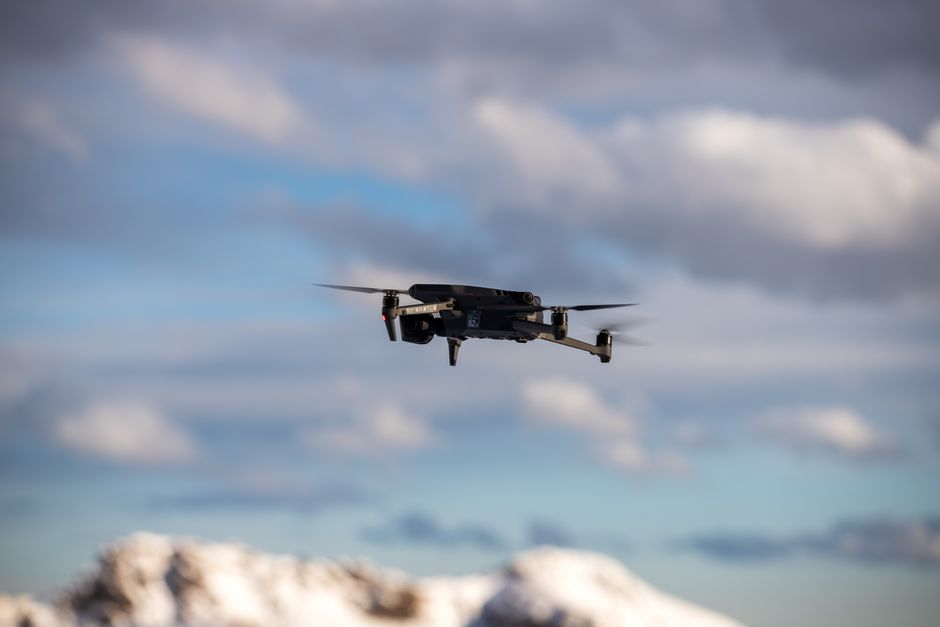
Aerial drone photography has revolutionized the way we capture and experience the world around us. With the ability to soar above landscapes and provide unique perspectives, drones have become an essential tool for photographers and videographers alike. This article explores the fascinating realm of aerial drone photography, discussing its applications, techniques, and future trends.
Understanding Aerial Drone Photography
Aerial drone photography involves capturing images and videos from an elevated perspective using unmanned aerial vehicles (UAVs), commonly known as drones. The technology behind these drones has advanced significantly in recent years, allowing for high-resolution imagery and more stable flight patterns. According to a report by MarketsandMarkets, the global drone market is expected to reach $43 billion by 2024, highlighting the growing interest and investment in this technology.
One of the key advantages of aerial drone photography is its accessibility. Unlike traditional methods that required helicopters or cranes, drones provide a relatively low-cost alternative for capturing stunning aerial shots. This democratization of aerial photography has opened new opportunities for both amateur and professional photographers.
Moreover, aerial photography is not limited to scenic landscapes; it has found applications in various industries, including real estate, agriculture, and construction. For instance, real estate agents utilize aerial images to showcase properties from unique angles, enhancing their marketing efforts.
Techniques for Successful Aerial Photography
Capturing breathtaking aerial shots requires a combination of skill, knowledge, and the right equipment. Understanding how to operate a drone effectively is paramount, as well as being familiar with the various camera settings that can impact the final image quality. One essential technique is to master the use of filters, such as polarizers and ND filters, which can significantly enhance the clarity and vibrancy of your photos.
Another important consideration is the time of day when you plan to shoot. The golden hour, shortly after sunrise or before sunset, provides soft lighting that can dramatically improve the aesthetic quality of your images. Additionally, understanding the weather conditions is crucial, as overcast days can lend a moody atmosphere, while clear skies can create vibrant, colorful shots.
For those looking to elevate their drone photography skills, studying the work of renowned aerial photographers can provide inspiration and insight into advanced techniques. Some photographers specialize in capturing specific subjects, such as wildlife or urban landscapes, and their portfolios can serve as a valuable resource for aspiring drone photographers.
Legal and Safety Considerations
As with any form of photography, aerial drone photography comes with its own set of legal and safety considerations. In many countries, drone operators are required to register their drones and adhere to specific regulations set by aviation authorities. For example, in the United States, the Federal Aviation Administration (FAA) mandates that drone pilots maintain a visual line of sight with their aircraft and refrain from flying above 400 feet.
Moreover, respecting privacy is a critical aspect of drone photography. Photographers must be mindful of where they fly their drones and avoid capturing images of private property without consent. Understanding local laws regarding aerial photography can help prevent legal issues and foster goodwill within communities.
Safety is also paramount when operating drones, especially in crowded areas or near airports. Conducting pre-flight checks, being aware of potential hazards, and having a clear flight plan can help mitigate risks and ensure a successful aerial shoot.
The Future of Aerial Drone Photography
The future of aerial drone photography appears bright, with technological advancements continuing to reshape the industry. Innovations such as artificial intelligence and machine learning are being integrated into drones, allowing for automated flight paths and intelligent image processing. This can significantly enhance the efficiency and effectiveness of aerial photography.
Furthermore, the rise of virtual reality and 360-degree photography is likely to influence how drone images are captured and shared. As consumers increasingly seek immersive experiences, aerial drone photography may evolve to meet these demands, providing new ways for audiences to engage with visual content.
In conclusion, aerial drone photography is more than just a trend; it is an evolving art form that offers endless possibilities for creativity and exploration. Whether for professional or personal use, the ability to capture stunning aerial perspectives has made it an invaluable tool in the world of photography. For those interested in diving into this exciting field, understanding the fundamentals and keeping abreast of technological advancements is key to success. For those seeking expert help, services specializing in aerial drone photography can provide invaluable support and insights.
Conclusion
Aerial drone photography is a powerful medium that allows photographers to capture the beauty of our world from a different angle. With the right techniques, knowledge of regulations, and a passion for exploration, anyone can harness the potential of this technology. As the industry continues to grow and innovate, the opportunities for creativity and storytelling through aerial photography will undoubtedly expand, making it an exciting field to be a part of.