
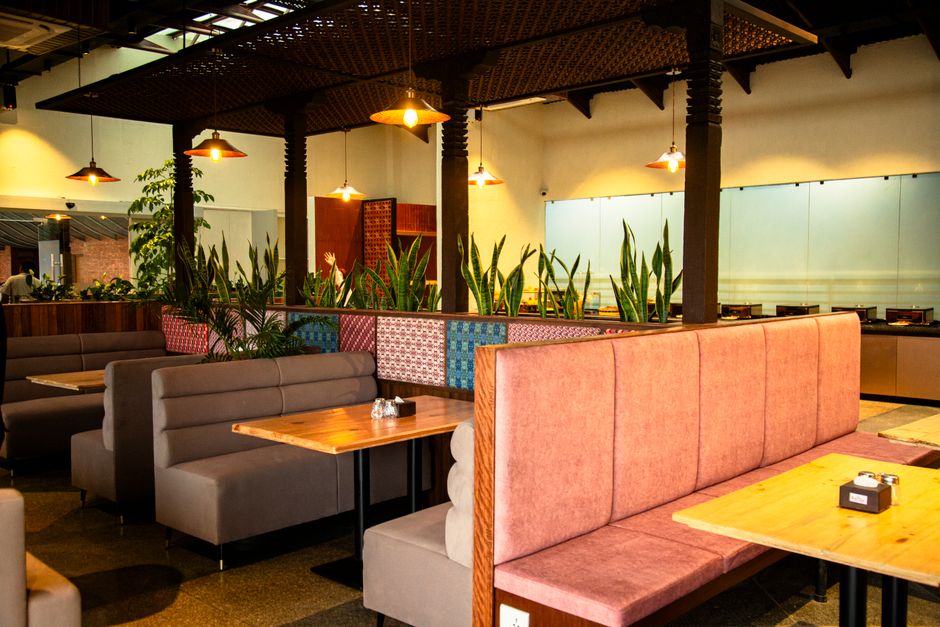
In the competitive world of the restaurant industry, the interior design of a venue plays a crucial role in attracting and retaining customers. A well-thought-out restaurant interior can enhance the dining experience, reflect the brand’s identity, and even influence customer behavior. From color schemes to furniture selection, every detail matters in creating an inviting atmosphere that encourages patrons to return.
Understanding the Importance of Interior Design
Interior design is more than just aesthetics; it is about creating an environment that resonates with the target audience. According to a study by the Restaurant Association, diners are more likely to return to a restaurant that offers a pleasant and aesthetically pleasing atmosphere. The ambiance influences their mood and can even affect their choices on the menu. In this sense, investing in restaurant interior design is a strategic business decision.
Consider the psychology of colors, for instance. Warm colors like red and orange can stimulate appetite and encourage social interaction, while cooler tones might create a calm and relaxing environment. Understanding these psychological effects allows restaurateurs to craft spaces that not only look good but also feel right for patrons.
Key Elements of Restaurant Interior Design
Several key elements come into play when designing a restaurant interior. First, the layout is crucial. The floor plan should facilitate smooth circulation for both staff and customers. High-traffic areas should be clearly defined, and seating arrangements should encourage conversation while still allowing for personal space.
Lighting is another critical aspect. Proper lighting can set the mood and highlight specific areas of the restaurant. For example, dim lighting creates an intimate feel, perfect for a fine dining experience, while bright lights might be more suitable for a casual eatery. Additionally, natural light can enhance the appeal of the space, making it feel more open and inviting.
Creating a Unique Brand Identity
The interior design of a restaurant should reflect its brand identity. This is where creativity comes into play. A themed restaurant, for example, can transport diners to a different place or time through its decor. Whether it’s rustic farm-style decor or sleek, modern furnishings, the design should tell a story that aligns with the restaurant’s concept.
Moreover, unique design elements can serve as a marketing tool. Instagrammable spots within the restaurant can encourage customers to share their experiences on social media, effectively becoming free advertising. This is especially important for attracting younger generations who value aesthetics in their dining experiences.
Case Studies in Successful Restaurant Design
Many successful restaurants have excelled in their interior design, setting benchmarks for others to follow. For example, the renowned Katz’s Delicatessen in New York City combines nostalgic decor with functionality, creating a bustling yet warm atmosphere that keeps customers coming back.
Another notable example is the trendy chain, The Cheesecake Factory, known for its elaborate and varied decor. Each location features a unique design that reflects the cultural influences of its surroundings while maintaining the brand’s identity. Such attention to detail in restaurant interior design not only enhances the dining experience but also solidifies brand loyalty.
Trends in Restaurant Interior Design
The restaurant industry is ever-evolving, and so are the trends in interior design. Currently, sustainability is a significant focus, with many establishments opting for eco-friendly materials and practices in their designs. This trend not only appeals to environmentally conscious consumers but also promotes a healthier atmosphere.
Moreover, the rise of remote work has led to a demand for restaurants that accommodate customers looking for a place to work outside of their homes. This has resulted in designs that incorporate comfortable seating, ample power outlets, and a conducive environment for productivity.
Conclusion: Investing in a Thoughtful Design
In conclusion, restaurant interior design is a vital component of a successful dining experience. It impacts customer satisfaction, influences brand identity, and can even drive profitability. As the industry continues to evolve, staying attuned to design trends and consumer preferences will be essential for restaurateurs looking to thrive. By investing in thoughtful and strategic design, restaurants can create spaces that not only attract patrons but keep them returning for more.