
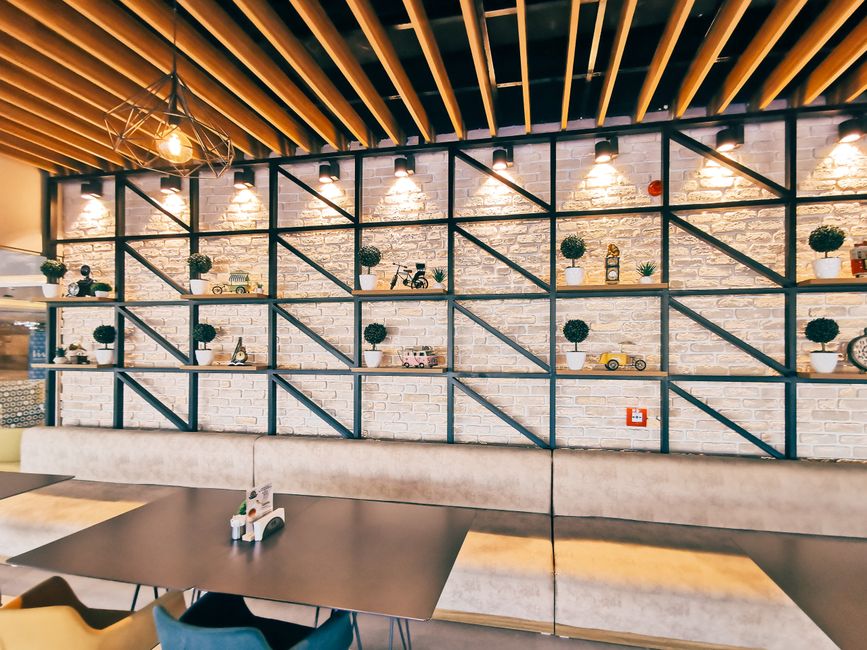
Restaurant interior design is more than just aesthetics; it plays a pivotal role in creating an ambiance that enhances the dining experience. From the choice of colors to the layout and furnishings, every element contributes to how customers perceive not only the food but also the overall experience of the establishment. In this article, we will explore the fundamental aspects of restaurant interior design, the latest trends, and practical tips for creating a welcoming environment that keeps customers coming back.
The Importance of Atmosphere in Restaurants
Atmosphere is a crucial component of any restaurant. It sets the tone for the entire dining experience, influencing customers’ moods and perceptions. Studies have shown that a well-designed interior can significantly increase customer satisfaction and encourage repeat visits. For instance, a survey revealed that 70% of diners are more likely to return to a restaurant with a pleasant ambiance. Therefore, investing in effective restaurant interior design is essential for any successful dining establishment.
Colors, lighting, and music are all integral parts of creating the right atmosphere. Warm colors can make a space feel more inviting, while cooler tones may evoke a sense of calm and relaxation. Similarly, proper lighting can enhance the overall aesthetic, highlighting key features while providing a comfortable dining environment.
Key Elements of Restaurant Interior Design
When designing a restaurant, several key elements must be considered. These include layout, furniture selection, decor, and lighting. The layout of a restaurant should facilitate smooth movement for both staff and customers, ensuring that the dining experience is seamless and enjoyable.
Furniture selection is equally important. Tables and chairs should not only match the overall theme of the restaurant but also provide comfort for diners. Additionally, the choice of decor can reflect the restaurant’s brand and concept, whether it be modern, rustic, or eclectic.
Trends in Restaurant Interior Design
Staying updated with the latest trends in restaurant interior design can help establishments attract more customers. One of the most notable trends is the incorporation of green spaces and natural elements. Biophilic design, which integrates plants and natural materials, has been shown to improve air quality and enhance the overall dining experience.
Another trend is the use of technology in design. Many restaurants are incorporating interactive elements, such as digital menus and augmented reality experiences, to engage customers and enhance their dining experience. These innovations not only serve a practical purpose but also contribute to a modern and dynamic atmosphere.
Creating a Unique Brand Identity
The interior design of a restaurant should reflect its brand identity. A cohesive design that aligns with the restaurant’s mission and values will resonate with customers and create a memorable experience. For example, a farm-to-table restaurant might choose rustic decor and earthy tones to emphasize its commitment to sustainability.
Moreover, storytelling through design can create a deeper connection with diners. By incorporating elements that tell the story of the restaurant’s origins, menu, or philosophy, owners can create an immersive experience that goes beyond just food.
Practical Tips for Successful Restaurant Interior Design
For those looking to revamp their restaurant’s interior, here are some practical tips to consider:
- Define your concept: Clearly outline the theme and identity of your restaurant before starting the design process. This will guide all design choices.
- Utilize space effectively: Ensure that the layout allows for smooth traffic flow and comfortable seating arrangements.
- Invest in quality materials: Choose durable materials that align with the restaurant’s aesthetic while ensuring longevity.
- Seek professional help: Collaborating with experienced interior designers can bring your vision to life while ensuring functionality.
Conclusion
Restaurant interior design is a fundamental aspect of the dining experience that should not be overlooked. By understanding the importance of atmosphere, incorporating key design elements, and staying updated with trends, restaurant owners can create inviting spaces that enhance customer satisfaction. A well-thought-out design not only reflects the restaurant’s brand but also fosters an environment where diners feel comfortable and valued, ultimately leading to increased loyalty and business success.