
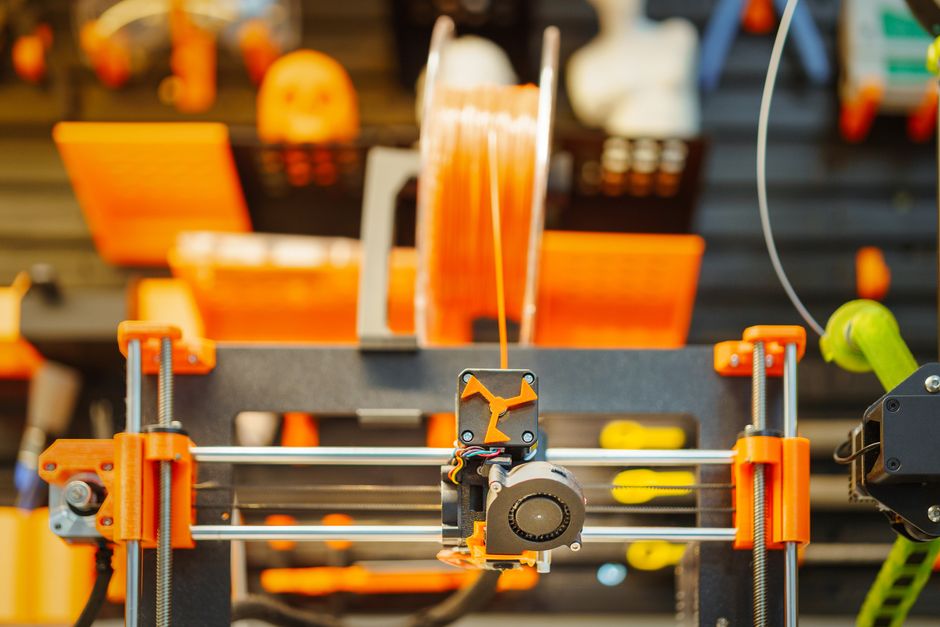
In recent years, 3D printing has revolutionized various industries, transforming the way products are designed, manufactured, and delivered. This innovative technology enables companies to create complex structures and prototypes with unprecedented speed and precision. As businesses increasingly recognize the potential of 3D printing services, the demand for these services has skyrocketed. This article delves into the multifaceted world of 3D printing services, exploring their applications, benefits, and future trends.
Understanding 3D Printing Technology
3D printing, also known as additive manufacturing, involves creating three-dimensional objects from a digital file. The process begins with a 3D model, which is sliced into thin horizontal layers. A 3D printer then builds the object layer by layer, using materials such as plastic, metal, or resin. This technology contrasts sharply with traditional subtractive manufacturing methods, where material is removed from a solid block to create an object.
One of the key advantages of 3D printing is its ability to produce intricate designs that would be challenging or impossible to achieve with traditional manufacturing techniques. For example, in the aerospace industry, companies use 3D printing to create lightweight components that reduce fuel consumption and increase efficiency. Additionally, the rapid prototyping capabilities of 3D printing allow designers to test and iterate their designs quickly, significantly speeding up the product development cycle.
Applications Across Industries
The applications of 3D printing services are vast and varied, spanning multiple sectors. In healthcare, for instance, 3D printing has enabled the production of custom prosthetics and implants tailored to the unique anatomy of individual patients. According to a report by Wohlers Associates, the medical industry accounted for approximately 14% of the total 3D printing market in 2022.
In the automotive industry, manufacturers are leveraging 3D printing to create lightweight parts, reducing overall vehicle weight and improving fuel efficiency. Companies like Ford and BMW have adopted 3D printing for both prototyping and producing end-use parts. Furthermore, the construction industry is exploring 3D printing for building homes and structures, with companies developing large-scale 3D printers that can construct entire buildings in a fraction of the time it would take using traditional methods.
The Benefits of Utilizing 3D Printing Services
Businesses that adopt 3D printing services can enjoy numerous benefits. First and foremost is cost efficiency. Traditional manufacturing processes often require significant upfront investments in tooling and machinery. In contrast, 3D printing eliminates many of these costs, allowing companies to produce low-volume, customized products without the need for expensive molds.
Another significant advantage is speed. 3D printing can dramatically reduce lead times, enabling companies to respond more quickly to market demands. For instance, a study by MIT found that companies using 3D printing for prototyping can reduce their development times by up to 90%. This agility is crucial in today’s fast-paced market, where consumer preferences can shift rapidly.
Moreover, 3D printing promotes sustainability. By using only the necessary amount of material, companies can minimize waste in the production process. Additionally, the ability to produce items on demand reduces the need for large inventories, further decreasing waste and resource consumption.
Challenges and Considerations
Despite the numerous advantages, there are challenges associated with 3D printing services that businesses must consider. One significant concern is the quality and consistency of printed products. While 3D printing technology has improved significantly, ensuring that every printed item meets quality standards can be a challenge, especially in industries such as aerospace and healthcare where precision is critical.
Intellectual property issues also pose a challenge for companies using 3D printing. With the ability to easily replicate designs, businesses must navigate the complexities of protecting their intellectual property. This concern is particularly relevant in the consumer goods sector, where design theft can have significant financial implications.
The Future of 3D Printing Services
The future of 3D printing services looks promising, with continuous advancements in technology and materials. Innovations such as bioprinting, which involves printing living tissues, are on the horizon and could revolutionize the medical field even further. Additionally, as materials science progresses, we can expect to see a wider variety of materials available for 3D printing, including composites and metals with enhanced properties.
Furthermore, as more businesses recognize the benefits of 3D printing services, we can anticipate an increase in specialized service providers catering to niche markets. This trend will likely lead to a more competitive landscape, driving further innovation and reducing costs for consumers.
Conclusion
3D printing services are at the forefront of a manufacturing revolution, offering a plethora of benefits across various industries. From reducing costs and lead times to promoting sustainability, the advantages of this technology are undeniable. While challenges remain, the future of 3D printing is bright, with continued advancements promising to reshape the manufacturing landscape. As businesses increasingly adopt 3D printing, we can expect to see a profound impact on how products are designed, produced, and consumed.